
Raising a Healthier, More Sustainable Family
Non-toxic living, eco-friendly parenting, and sustainable home swaps — written by moms actually living it.
Welcome to Nest Earth's Learn blog — a resource for parents who want to create a healthier, lower-tox home without the overwhelm, the Pinterest perfection, or the massive price tag. Founded by Gabriela Fiorentino, LEED AP, Nest Earth is an eco-friendly parenting community built on one idea: small, intentional swaps add up.
Here you'll find practical guides on non-toxic cleaning products, kids' toy simplification, sustainable kitchen upgrades, zero-waste tips, eco-friendly holiday ideas, and the honest parenting stories behind it all.
Browse by topic
Non-Toxic Home
Kitchen, laundry, air quality, and under-the-sink detox
Eco-Friendly Parenting
Raising green kids without guilt or perfection
Sustainable Living
Beginner-friendly swaps for everyday life
Conscious Celebrations
Eco-friendly holidays and birthdays
Experts
Trusted advice from LCSWs, pediatricians, and sustainability pros

Stress vs. Burnout vs. Autoimmune Flares: Understanding the Escalation Before Your Body Hits the Wall
Stress is just part of being successful, right? You've got a packed schedule, a ton of tabs open in your brain, and the grind starts to feel like a badge of honor. But stress, burnout, and autoimmune flares aren't separate experiences — they're stages of the same escalation. Here's how to recognize the pattern in your own body before it forces a full stop.
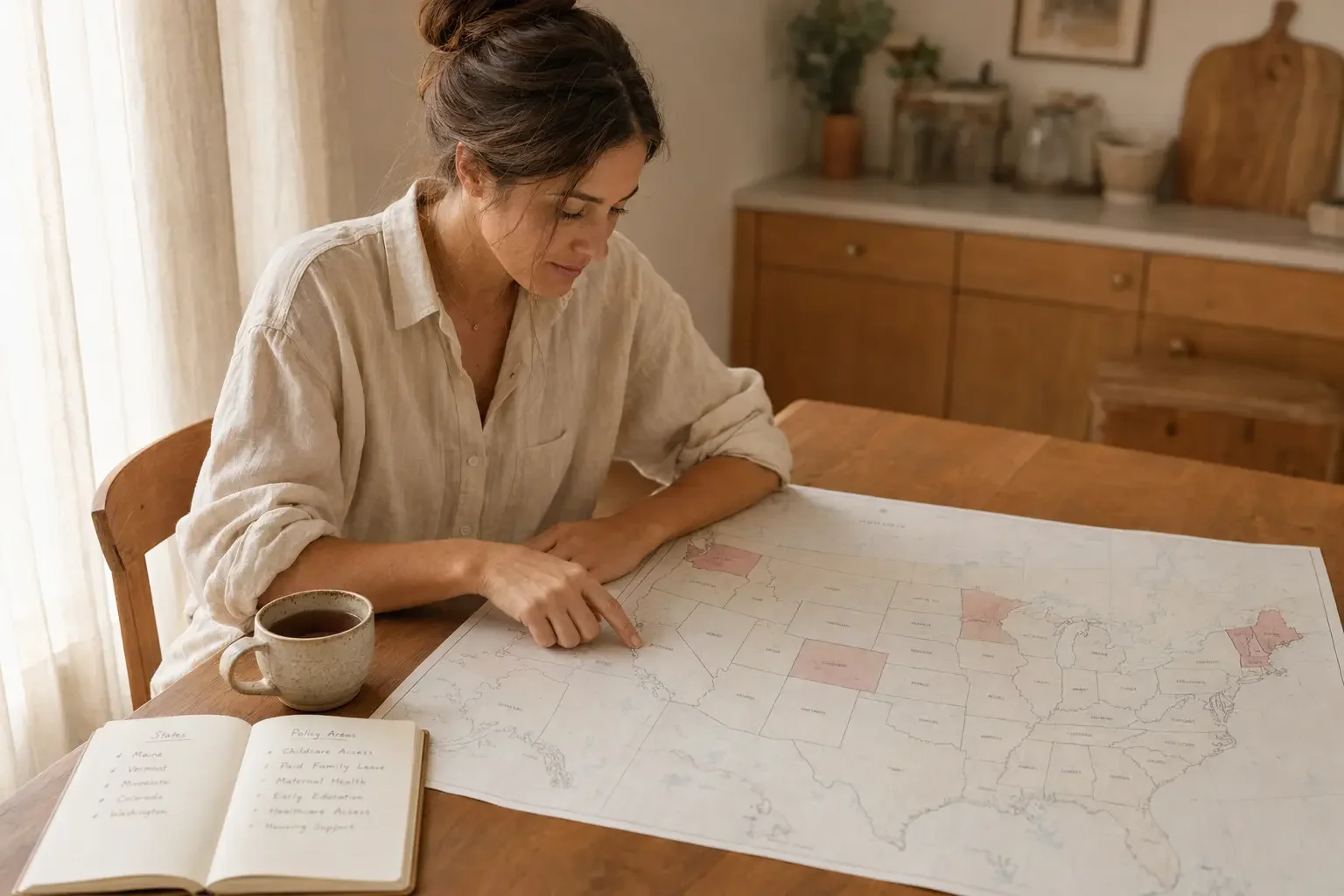
The 2026 PFAS Ban Map: Which States Just Restricted PFAS in Kids' Products
Six US states have new PFAS product bans taking effect January 1, 2026. A seventh, Minnesota, started its ban a year earlier under Amara's Law. The combined rules cover everything from car seats to cosmetics to swaddles — but the categories, definitions, and exemptions differ state by state. This guide maps all seven.
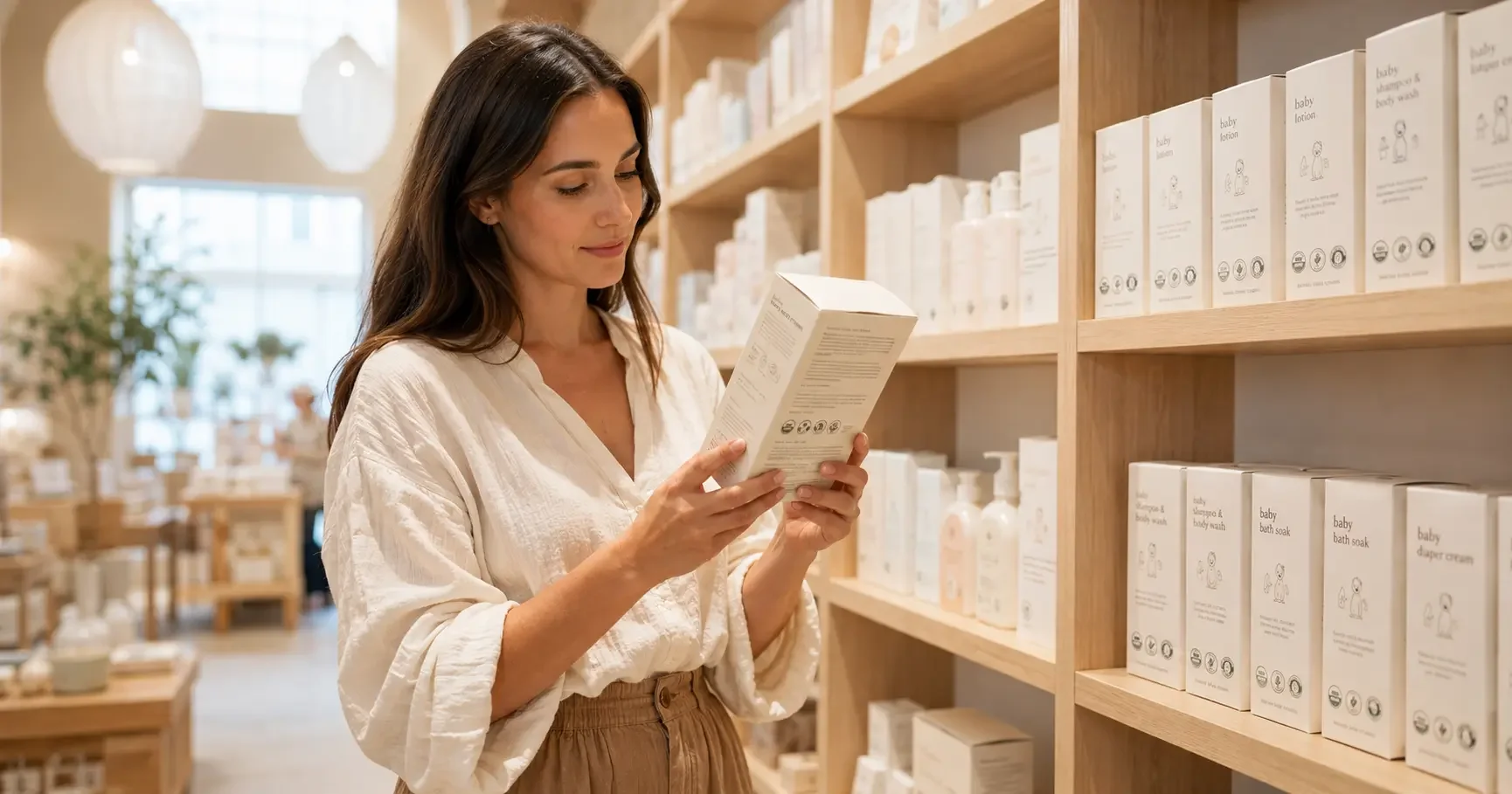
What "Non-Toxic" Really Means: The Certifications Worth Trusting
"Non-toxic" isn't a regulated term, but six specific certifications are. Here's GOTS, OEKO-TEX, MADE SAFE, GREENGUARD Gold, GOLS, and CertiPUR-US compared by what they actually exclude — plus the five public verification databases that let you check any product in 30 seconds.
Microplastics and Your Baby: What the Latest Research Actually Says
If you've seen the microplastics headlines and felt that particular brand of new-parent dread, this guide is for you. Here's what the peer-reviewed evidence actually says — and the four parent-controllable changes that genuinely move the dial.
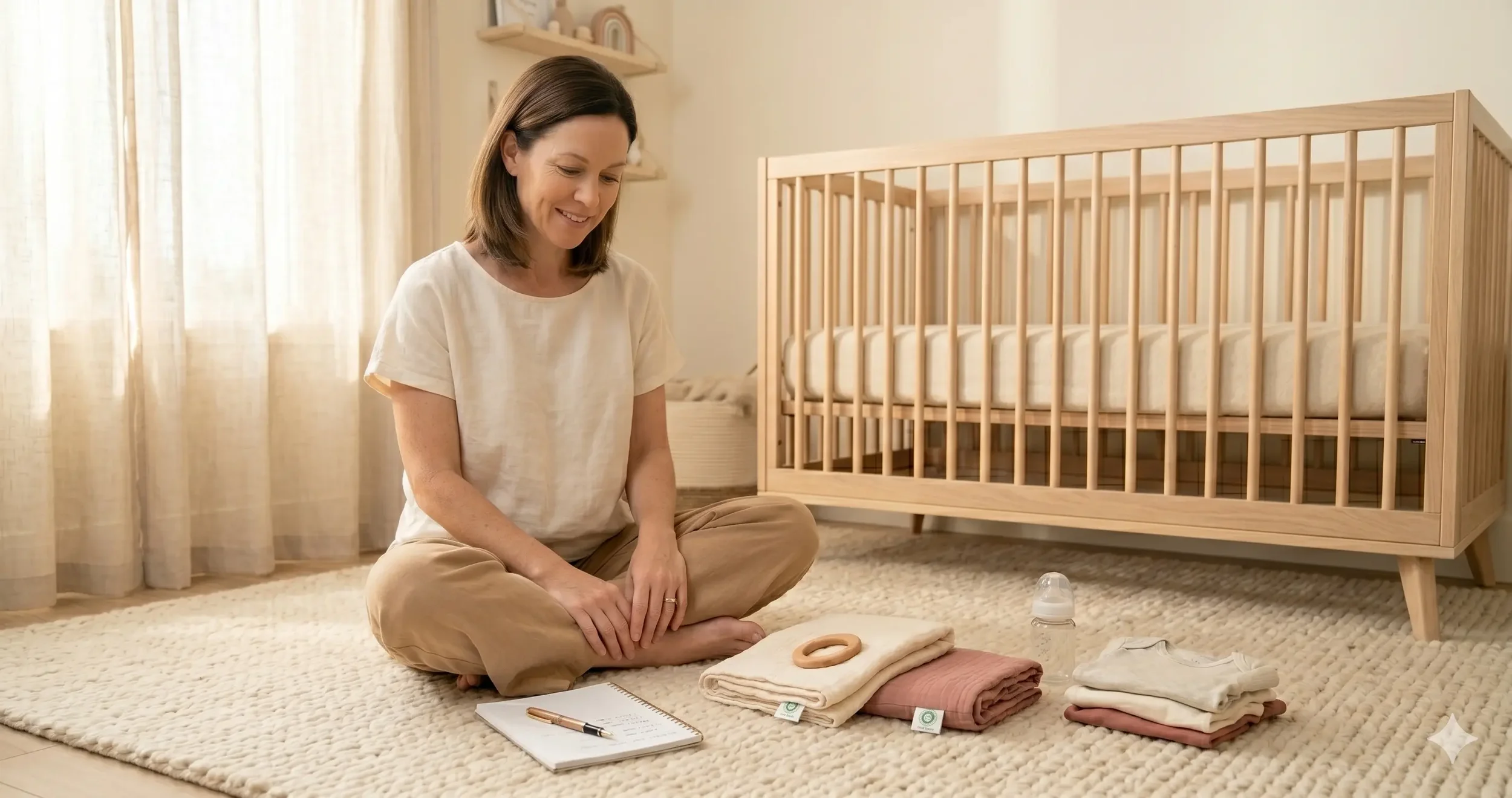
How to Build a Non-Toxic Baby Registry That Actually Works
Most registries fail because they treat every item as equally important. Here's the priority framework I built across two of my own babies — what to add, what to skip, and the three certifications that cover 80% of what actually matters.

How to Spot Greenwashing in Baby Products: A Parent's Decoder Guide
"Non-toxic" is not a regulated term. Here are the five greenwashing tactics on baby products, the spot-check question for each, and the certifications worth trusting — from a LEED AP mom who reads the back of the package.

The Stress Response Ladder: How to Prevent Burnout Before Your Body Forces You to Stop
Burnout doesn’t happen overnight. It builds quietly. It builds in the skipped lunches. In the “I’ll rest later.” In the constant mental tabs open in your head. In the belief that pushing through is strength.
And for many overwhelmed parents, burnout isn’t dramatic. It’s normalized.
Where Is Your Energy Actually Going? How to Spot the Drains and Start Pulling It Back
Most of us don’t just run out of time — we run out of energy too. And what’s most frustrating is we usually can’t remember how that happened. You wake up, maybe a little tired. You move through your day, doing what needs to be done. By 8pm, you’re toast — even if you technically “didn’t do that much.”
So the real question is: where did all that go?
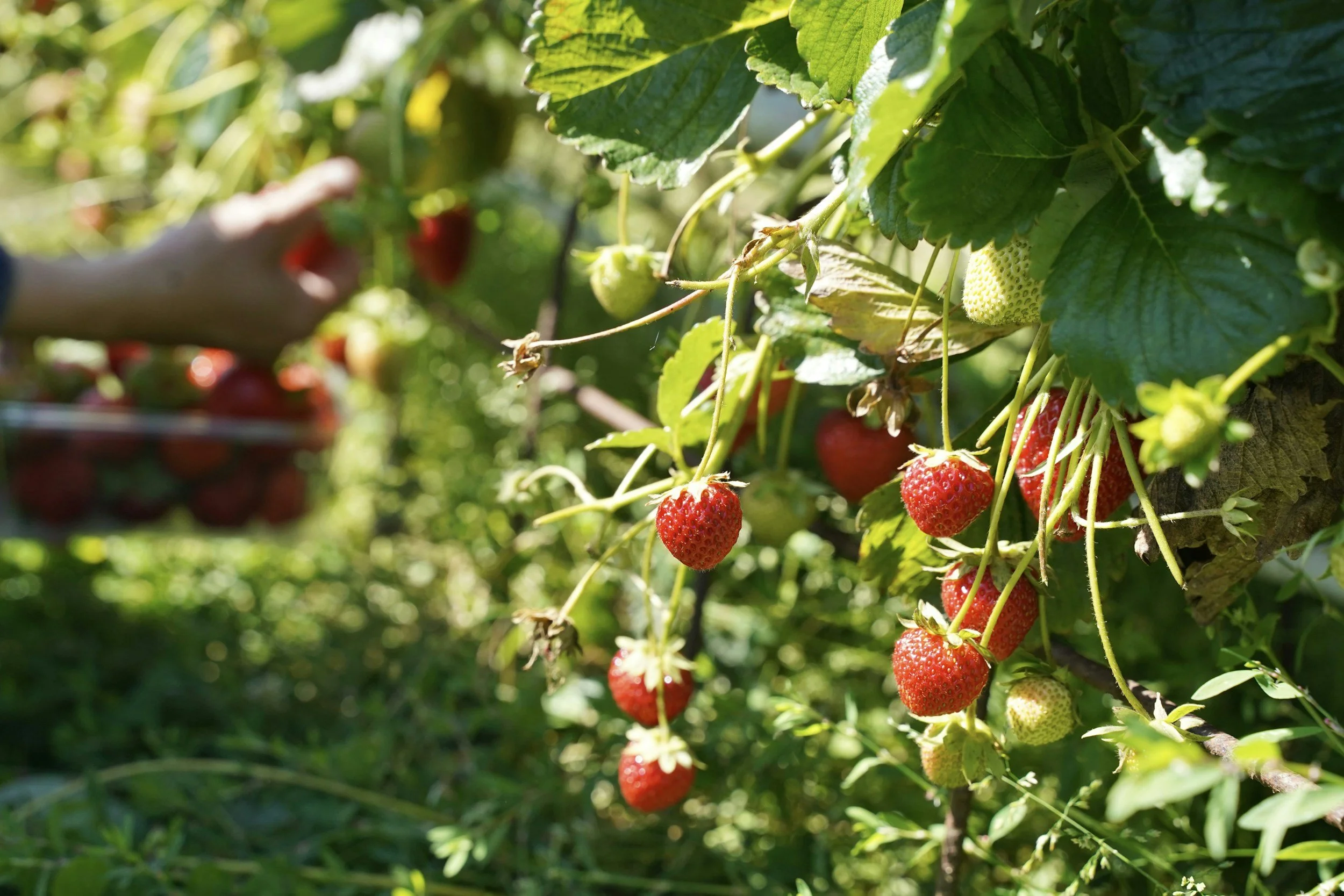
My Toddler's Epic Strawberry Picking Meltdown (And What It Taught Me)
Let me tell you about my 1.5 year old's epic tantrum during what was supposed to be a fun family outing: strawberry picking. First, I want to address that thought you might be having — "Strawberry picking?? I can't even make it to the park down the street in one piece!" — to which I want to say: this was the first, and maybe last, time I will attempt this kind of outing solo while my kids are toddlers. And you'll soon see why.
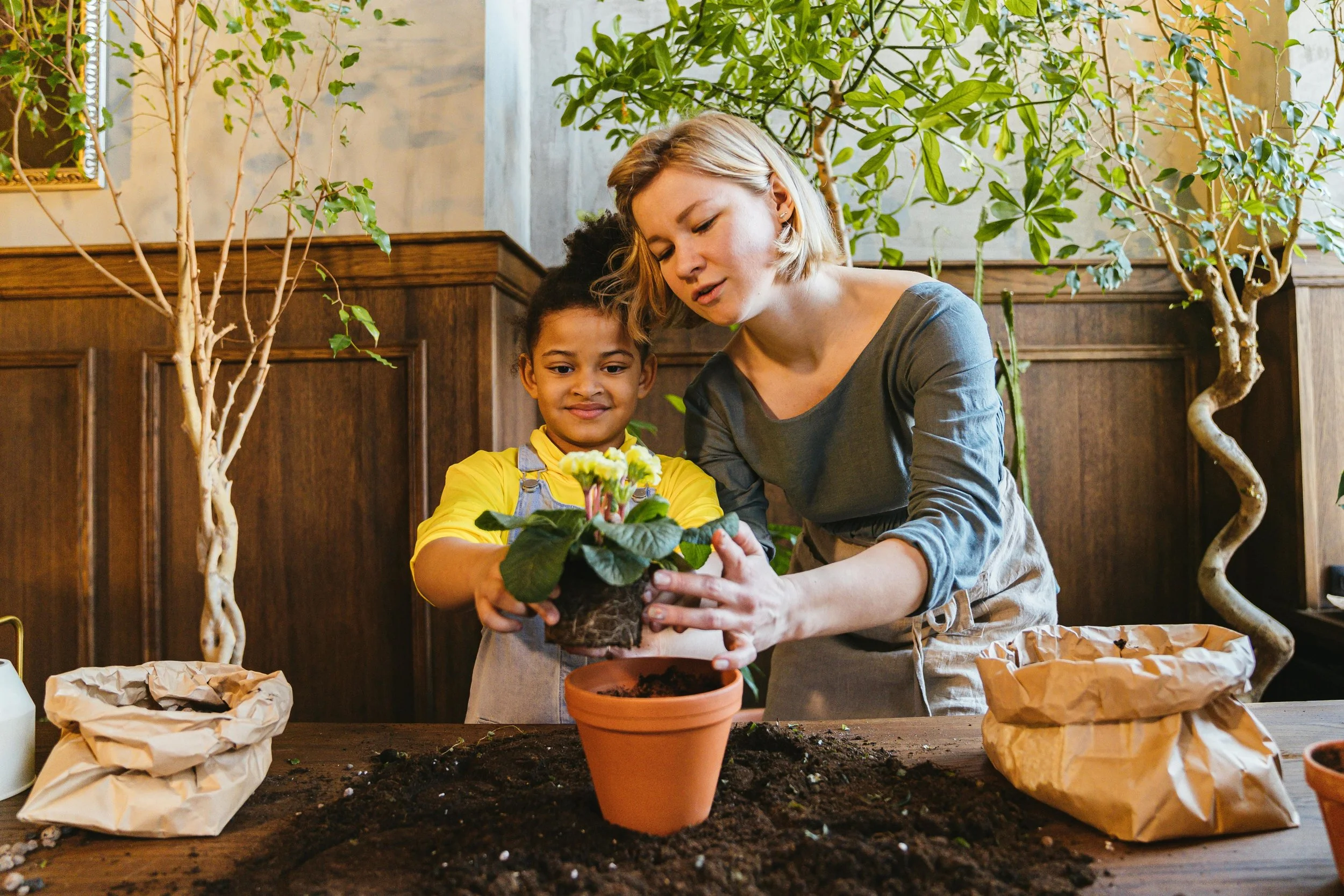
Easy Green Habits to Teach Your Kids (by Age)
You don't need to carve out a special time to teach kids eco-friendly habits. Just loop them into what you're already doing and explain why those choices matter. Start early with simple observations for ages one to two, build to concrete tasks like turning off lights and sorting recycling for ages two to five, and progress to ownership and advocacy as they get older. The key is keeping it playful, avoiding perfectionism, and letting these habits become automatic parts of daily life rather than special environmental lessons.
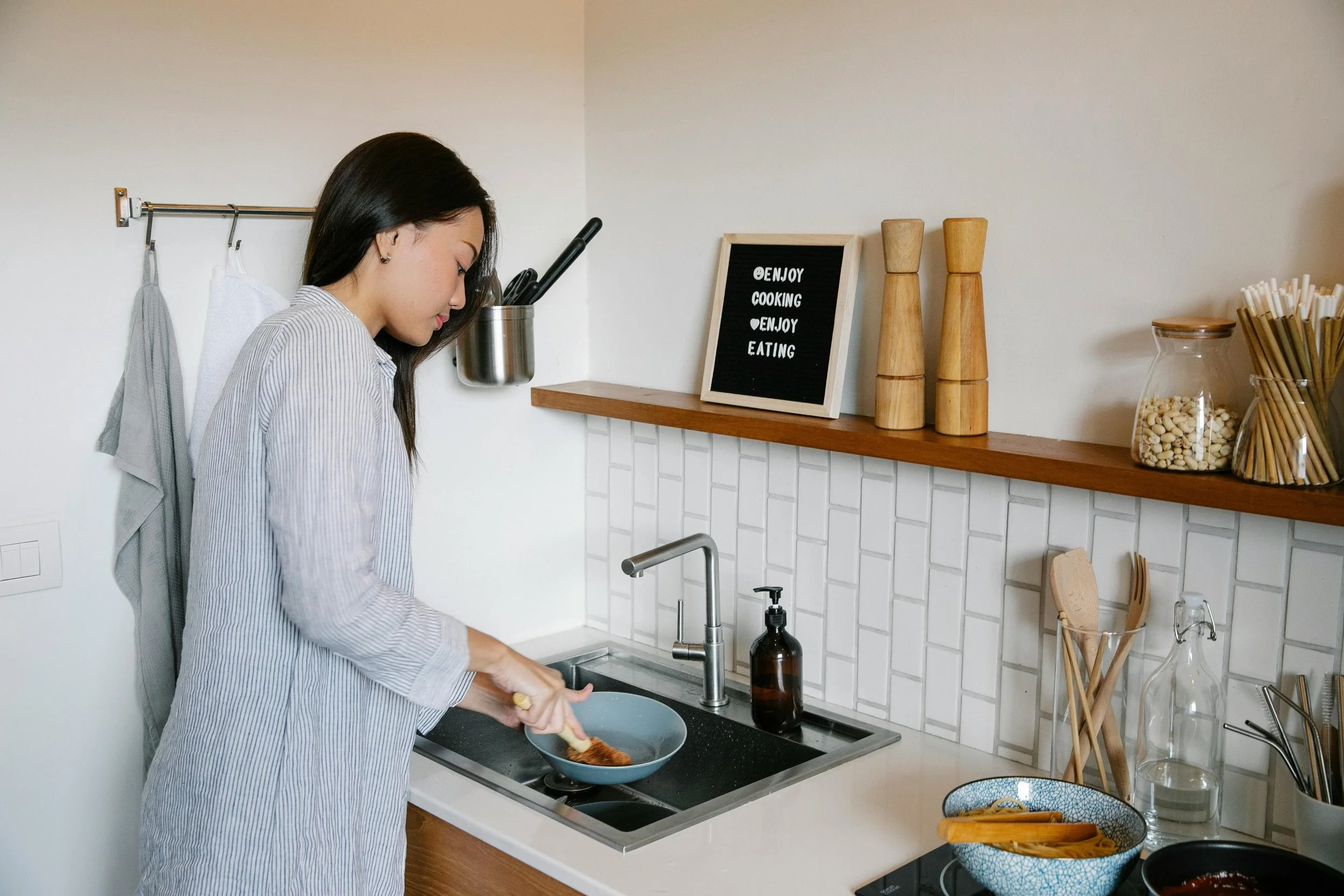
How to Create an Eco-Friendly Cleaning Routine That Works
You don't need a complicated cleaning schedule or a dozen specialized products to maintain a clean, healthy home. Focus on two daily tasks: wipe kitchen surfaces and vacuum high-traffic areas with a HEPA filter. Handle weekly basics like bathrooms, floors, and dusting. Forget the rest until monthly or seasonal deep cleans. Use about five simple products including multi-surface cleaner, floor cleaner, toilet cleaner, dish soap, plus baking soda and vinegar. That's it. Simple, sustainable, and way less time-consuming than constantly playing catch-up with grime.
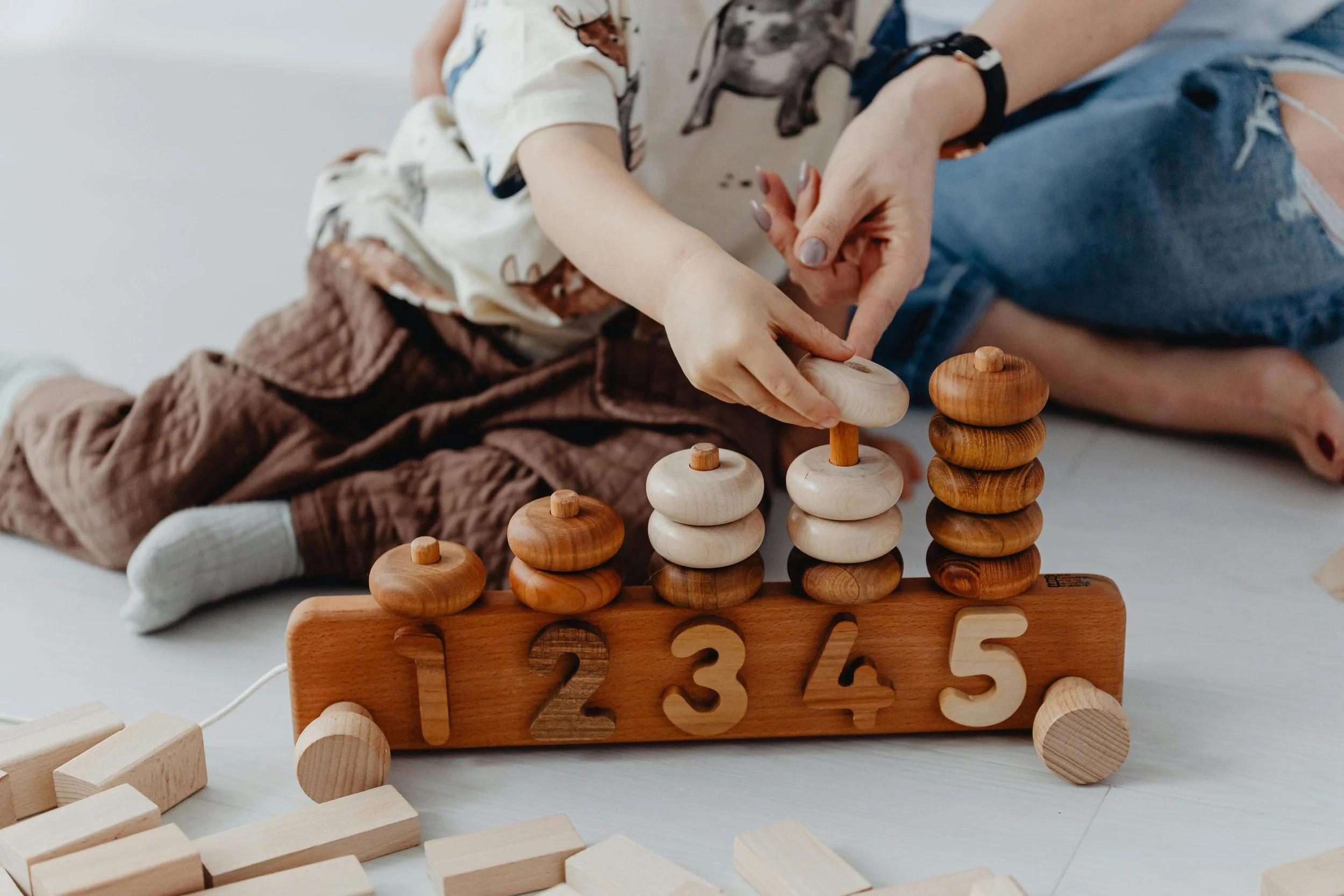
How to Simplify Your Kids' Toy Collection Without the Guilt
Fewer toys can benefit many kids more than having a playroom stuffed with options. Research suggests that kids with manageable toy collections often play more intentionally, focus better, and develop stronger creative skills because they're not overwhelmed by choices. You don't need to feel guilty about simplifying. You're giving your kids the opportunity for focused, meaningful play and teaching them that happiness doesn't come from constantly accumulating more stuff.
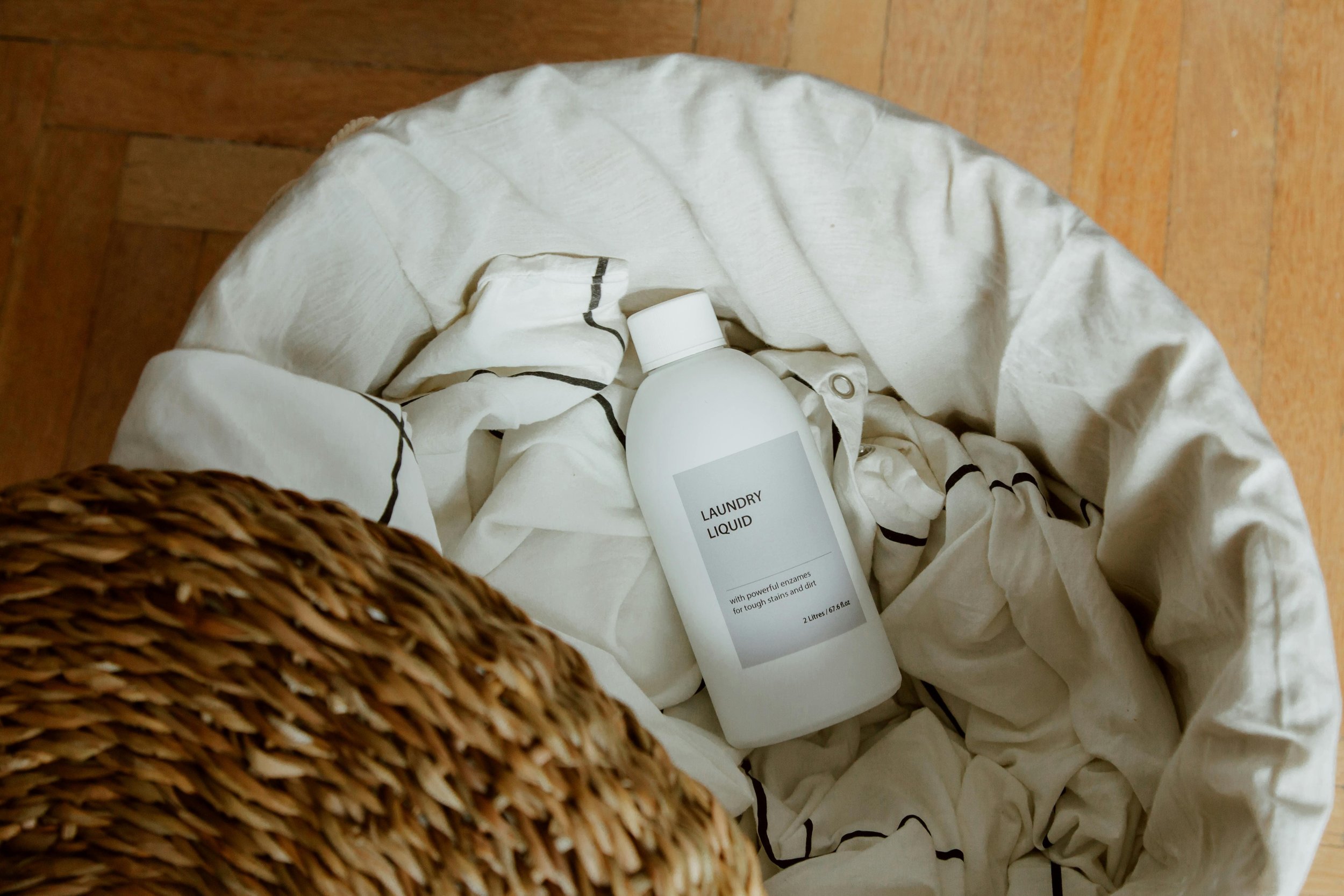
What's Hiding in Your Laundry Room and What to Use Instead
Your laundry products leave chemical residue on clothes that sit against your skin all day, and everything you wash goes into the water supply. Conventional detergent pods, dryer sheets, and fabric softener are among the most problematic, full of synthetic fragrances, microplastics, and unnecessary chemicals. Switch to plant-based detergent, replace dryer sheets with reusable wool dryer balls, and skip fabric softener entirely. Your clothes will still be clean, and you'll stop exposing your family to toxins with every load.

How Your Home's Air Quality Affects Your Child's Health
Indoor air can be 2 to 5 times more polluted than outdoor air, and your kids are breathing it in constantly. The good news? You don't need to overhaul your entire house or spend a fortune to make a real difference. A few simple swaps like switching to plant-based cleaners, opening windows regularly, and vacuuming with a HEPA filter can help reduce the chemical load your family is exposed to.
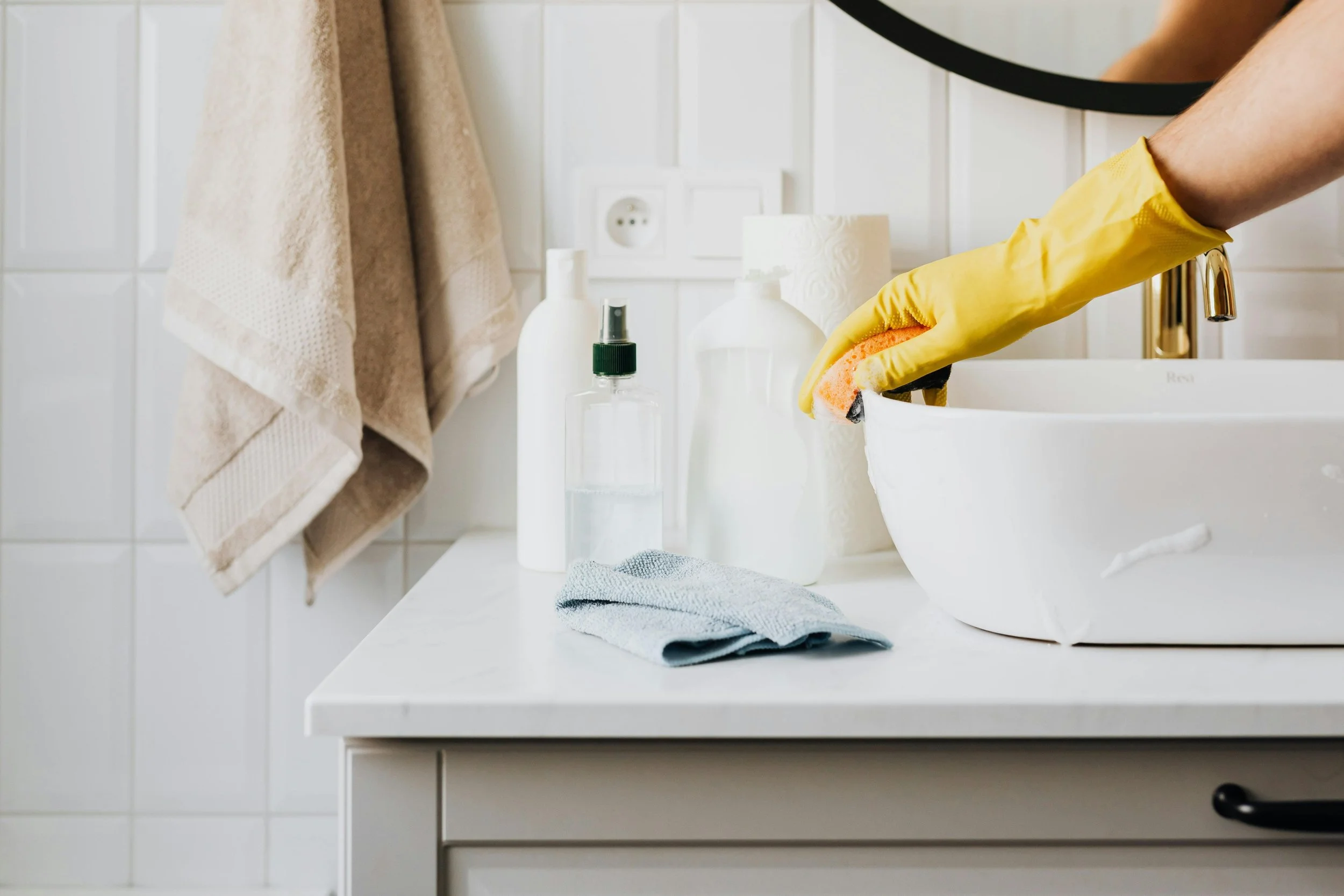
How to Detox Under-the-Sink Products Without Overwhelm
The cleaning products under your sink can release chemicals into your air and onto the surfaces where your family eats. You don't need to replace everything at once or spend hours researching. Start with the three products you use most: multi-surface cleaner, dishwasher detergent, and toilet cleaner. Swap them for plant-based alternatives one product at a time, one intentional choice that moves you in the right direction.
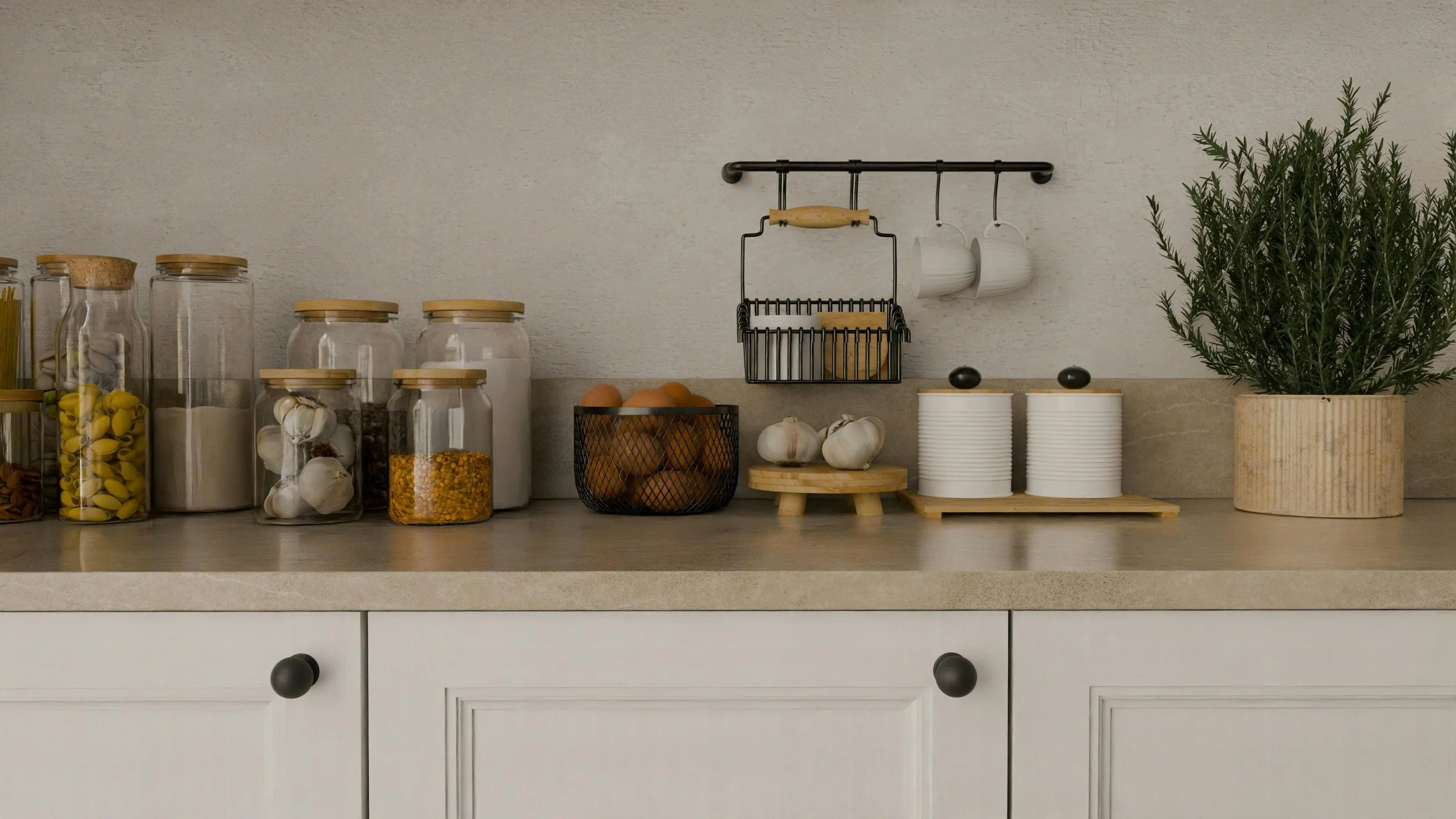
Zero-Waste Lifestyle Tips: Where to Start Your Zero-Waste Journey
A zero-waste lifestyle begins with small steps, not throwing out all your belongings or expecting perfection. Begin with whatever waste stream drives you crazy, maybe it's the mountain of plastic toys or the weekly pile of takeout containers. Focus on materials that either last for years or return to the earth naturally. Small, consistent changes in high-impact areas like food storage, cleaning products, and kids' items create meaningful results without overwhelming your family.

Have a Merry Little Eco-Friendly Christmas: Sustainable Christmas Ideas
An eco-friendly Christmas focuses on meaningful traditions without the waste and excess of typical holiday celebrations. Start by limiting gifts using the "something you want, need, wear, and read" framework, choosing experiences over things, and wrapping with reusable fabric or recyclable materials. Use natural decorations that compost after the season or invest in quality reusable pieces that become family traditions. Plan holiday meals carefully to avoid food waste, and communicate your sustainable choices clearly to extended family by focusing on what you're gaining rather than what you're avoiding.
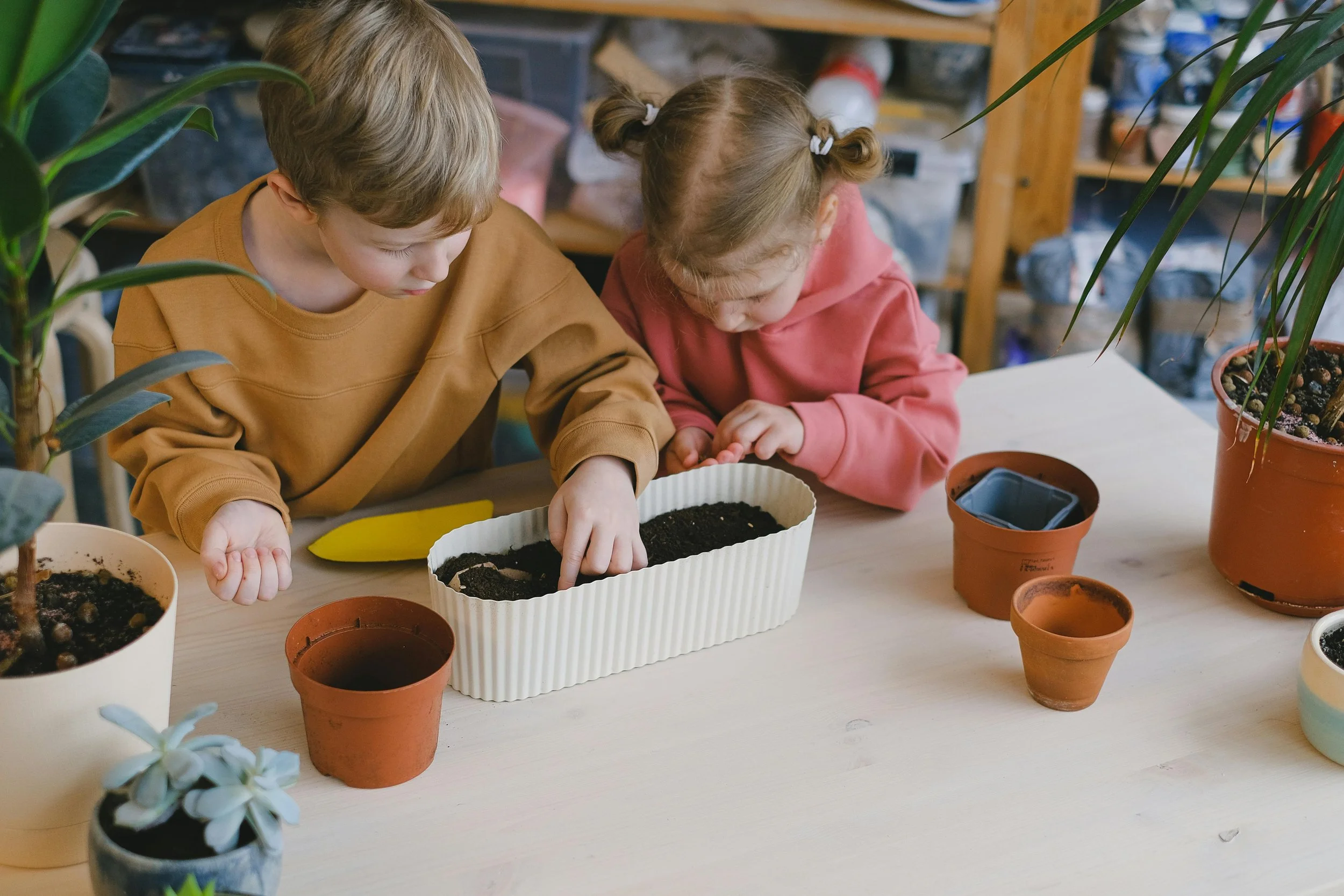
Eco-Friendly Parenting: Green Habits to Start at Home
Eco-friendly parenting doesn’t mean changing everything overnight. It’s really about small, intentional shifts that fit your family’s real life, not the Pinterest version of it. Start with tiny things that truly fit your rhythm, not someone else’s. Use what you already own, cut back on disposables, and let kids join in simple conservation habits. Focus on reducing food waste, choosing fewer-but-better toys, and shifting gift-giving toward experiences instead of stuff.
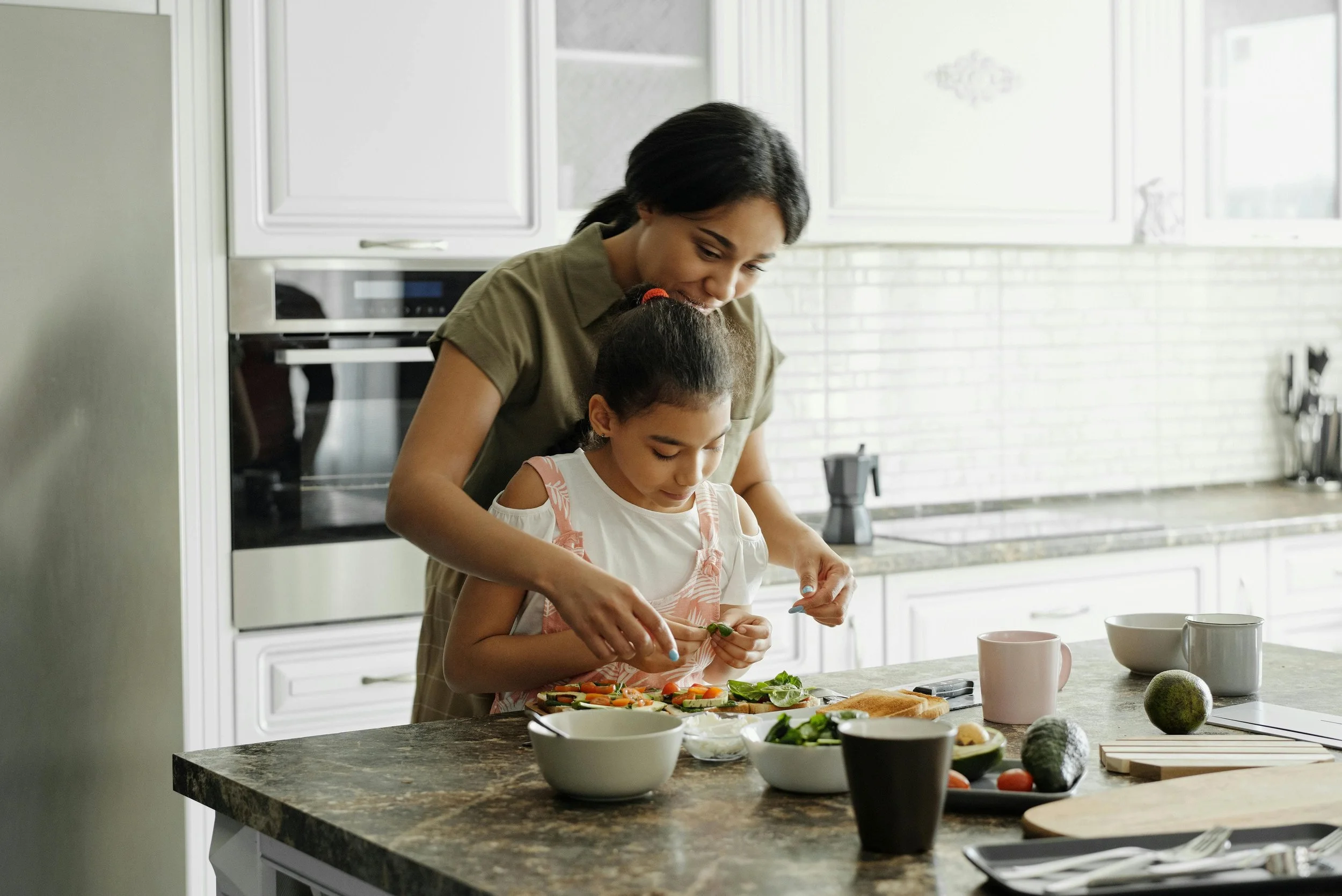
Creating a Non-Toxic Kitchen: What's Worth Upgrading First
Here's the thing about creating a non-toxic kitchen: you don't have to throw everything out at once. Nobody has time or budget for that. Start with cookware since heat makes chemicals more likely to end up in your food. Then tackle food storage, especially for things like cheese, oils, and tomato sauce. The good news? Simple swaps like ceramic or cast iron pans, glass containers, and homemade cleaners actually cost less over time. Most families do this gradually, maybe one or two things a month, whatever fits your budget.

Eco-friendly Birthday Party Decorations Kids Will Love
You can throw memorable birthday parties for your kids without the waste and guilt. Kids care about feeling special and having fun with friends, not plastic decorations that end up in the trash. Focus on creating experiences rather than buying stuff by using what you already own, making decorations together, and turning decor into activities. You'll plan parties that are more personal, interactive, and sustainable without looking like you're trying too hard or spending more money.