
How to Detox Under-the-Sink Products Without Overwhelm
Key Takeaways
The cleaning products under your sink can release chemicals into your air and onto the surfaces where your family eats. You don't need to replace everything at once or spend hours researching. Start with the three products you use most: multi-surface cleaner, dishwasher detergent, and toilet cleaner. Swap them for plant-based alternatives one product at a time, one intentional choice that moves you in the right direction.
Under-the-sink products are used frequently, releasing VOCs and synthetic fragrances that can accumulate in your home's air and contribute to exposure, especially for kids who breathe faster and touch surfaces after cleaning
Conventional products often contain similar base ingredients with minor formulation differences, plus unregulated synthetic fragrances that can hide dozens of undisclosed ingredients
Replace these three first: multi-surface cleaner used frequently on food surfaces, dishwasher detergent that may leave trace residues on dishes, and toilet cleaner that enters wastewater systems
Make the switch gradually by starting with one product, using it for a week to see if it works, then moving to the next without throwing everything out at once
Read ingredient lists instead of trusting marketing claims, avoid anything with fragrance listed, and consider brands like Aunt Fannie's and Blueland that are affordable and effective
Most parents don't think twice about what's under their kitchen sink. It's just cleaning supplies, right? Dish soap, surface cleaners, toilet bowl cleaner, maybe some dishwasher pods. Normal stuff that everyone has.
But if you actually pulled everything out and looked at the ingredient lists, you'd probably be surprised by how many chemicals you're bringing into your home on a regular basis. And then using it on the surfaces where your family eats, plays, and lives.
I'm not here to make you feel guilty about what's currently under your sink. I just want you to understand what those products are actually doing to your indoor air quality and your family's health, and then give you a realistic plan for swapping them out without spending your entire weekend researching or your entire paycheck replacing everything at once.
Why Do Under-the-Sink Products Actually Matter?
The cleaning products most of us store under the kitchen sink are some of the biggest contributors to indoor air pollution. Every time you spray your counters, wipe down a surface, or run your dishwasher, you're releasing chemicals into the air your family breathes. VOCs, synthetic fragrances, harsh detergents, all of it.
And because we use these products frequently, the exposure builds up over time. It's not like furniture that off-gases once when you first bring it home. This is repeated exposure to chemicals that can irritate lungs, trigger allergies, cause skin reactions, and contribute to long-term health concerns.
Kids are especially vulnerable because they breathe faster than adults, which means they're taking in more air relative to their body size. They're also more likely to touch surfaces after you've cleaned them, creating increased opportunities for exposure before everything has fully dried or dissipated. So whatever you're putting on your counters, your floors, your dishes, they're getting more contact with it.
The reality is that most conventional cleaning products were designed primarily for efficacy and shelf stability rather than minimizing human exposure. They were created to kill germs and remove dirt as aggressively as possible, which usually means using harsh chemicals that happen to be really effective cleaners but also happen to raise concerns for human health.
What's the Real Problem With Conventional Cleaning Products?
Walk into any big box store and look at the cleaning aisle. Hundreds of products, all promising to clean different things. One for glass, one for wood floors, one for tile, one for stainless steel, one for granite, one for toilets, one for tubs. It's overwhelming, and it's also completely unnecessary.
Many of those products share similar base ingredients with minor formulation differences. They're just branded differently and marketed as specialized so you'll buy more of them. The cleaning industry has convinced us that we need a different product for every single surface in our homes, and it's just not true.
What is true is that most of those products are loaded with ingredients you wouldn't want anywhere near your family. Synthetic fragrances, ammonia, bleach, phthalates, triclosan, the list goes on. And because companies aren't required to disclose all their ingredients, you often have no idea what you're actually bringing into your home.
The other issue is that these products create a false sense of cleanliness. That strong chemical smell doesn't mean your house is clean. It just means you've filled your indoor air with synthetic fragrance. And those antibacterial claims? Most of the time, plain soap and water would do the same job without the chemical exposure.
Which Are the Big Three Products to Replace First?
You don't need to throw out everything under your sink today and start from scratch. That's overwhelming, expensive, and honestly not necessary. What you need is a strategic approach that focuses on the products you use most often, because those are the ones affecting your family's health the most.
Multi-Surface Cleaner
This is the one you probably reach for every single day. Kitchen counters, dining table, bathroom sinks, door handles, light switches, all of it. If you're using a conventional spray cleaner, you're releasing chemicals into your air multiple times a day, and those chemicals are settling on surfaces where your family prepares food and eats meals.
Swap this one first. You can buy a plant-based multi-surface cleaner from brands like Aunt Fannie's or Blueland, or you can make your own with vinegar and water. If you want to add scent, a few drops of essential oil is an option, though fragrance-free is the safest choice for sensitive airways, especially for kids with asthma. Either way, you'll reduce your family's ongoing chemical exposure.
And here's the thing about multi-surface cleaners: they actually work on almost everything. You don't need a separate glass cleaner or countertop spray. If you want a glass cleaner, just put your multi-surface cleaner in a separate spray bottle and dilute it with more water. That's the main difference.
Dishwasher Detergent
Your dishwasher detergent is cleaning the plates, bowls, and cups your family eats and drinks from every single day. Depending on the formulation and rinse cycle, trace residues can remain on those dishes. So if you're using conventional pods or powder that's full of synthetic fragrances and harsh detergents, that matters.
Switch to a fragrance-free, plant-based option. Blueland makes good dishwasher tablets, and there are other brands that work well too. Just make sure you're reading the ingredient list, not just trusting the "natural" or "eco-friendly" label on the front of the package, because those terms aren't regulated and don't actually mean anything.
Toilet Bowl Cleaner
This one matters less for direct exposure, but it matters for what's entering your wastewater or septic system. Whatever you're putting in your toilet goes into treatment facilities or septic systems, and eventually the treated water re-enters the environment.
Conventional toilet cleaners are some of the harshest products you can buy. They're designed to kill everything, which means they're full of chemicals that don't break down easily and end up contaminating water sources. Switching to a plant-based option is better for your home's air quality and better for the environment.
How Do You Actually Make the Switch Without Losing Your Mind?
The biggest mistake people make when trying to detox their cleaning products is thinking they need to do everything at once. They get motivated, throw out half their cabinet, buy a bunch of new products, and then either run out of money or get overwhelmed trying to figure out what actually works.
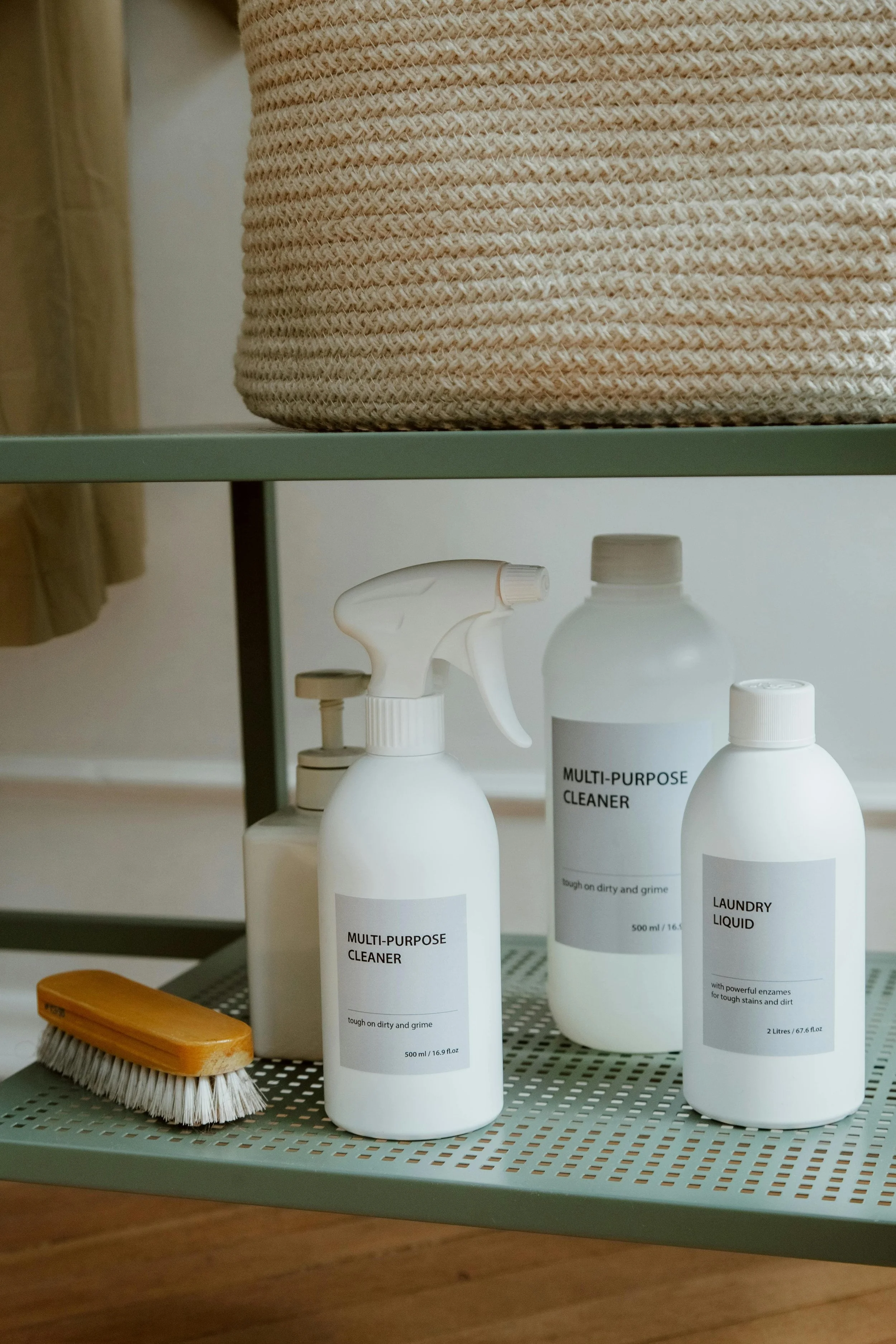
Start with one product. Whichever one you use most often. For most people, that's the multi-surface cleaner. Buy one bottle of something cleaner, or make a batch of DIY cleaner, and use it for a week. See if it works for you. Get used to the fact that it might not smell like artificial lemons, and that's actually a good thing.
Once you've replaced that one product and you're comfortable with it, move on to the next one. Maybe that's your dish soap, or your dishwasher detergent, or your laundry detergent. Just take it one product at a time.
You also don't need to throw out products you've already bought unless they're actively causing problems, like triggering allergies or asthma. Use them up if you want, and then replace them with something better when they're empty. Or if you can't stand the idea of continuing to use them, donate them to someone who's not ready to make the switch yet. Just get them out of your house.
Gradual switching is also more sustainable financially and mentally. You're not dropping a few hundred dollars all at once, and you're not trying to learn a dozen new products simultaneously. It's a gentler transition that's actually more likely to stick.
What Should You Look for When Buying New Products?
Reading ingredient lists is the most valuable skill you can develop when you're trying to clean up your home. Marketing claims don't mean anything. A product can say "natural" or "plant-based" or "eco-friendly" on the front and still be full of synthetic fragrances and questionable ingredients.
Flip the bottle over and read the actual ingredient list. If there are ingredients you don't recognize, look them up. Or take a picture of the ingredient list and ask ChatGPT or another AI tool to break down what each ingredient does and whether there are any potential health concerns. These tools are a helpful starting point, though they're not a replacement for trusted third-party certifications or expert guidance. It's not a perfect system, but it's a quick way to get a general sense of whether a product is worth your money and your family's exposure.
The ingredient you want to avoid most is "fragrance." It's completely unregulated, which means companies can put literally anything in there and call it fragrance without disclosing what those chemicals actually are. If you see fragrance on the ingredient list, put it back on the shelf.
Also pay attention to certifications, but only the real ones. Terms like "non-toxic" and "organic" aren't regulated when it comes to cleaning products, so they don't mean anything. Look for third-party certifications like EPA Safer Choice or Made Safe if you want some external verification that a product has been vetted.
And don't fall into the trap of brand loyalty. Even brands you trust can change their formulations without warning. Just because something was safe six months ago doesn't mean it still is. Check the ingredients every time you buy, or at least every few months.
Why Do Affordable Clean Products Actually Exist Now?
One of the biggest objections I hear from parents is that clean products are too expensive. And yeah, if you're comparing a bottle of Aunt Fannie's to a bottle of generic all-purpose cleaner from the dollar store, the Aunt Fannie's is going to cost more upfront.
But you're also getting a concentrated formula that lasts longer, which means better value over time. These products often work out to be comparable in price to mid-range conventional brands when you factor in how long they last and how effectively they clean.
Plus, brands like Blueland and Aunt Fannie's are actually pretty affordable now, especially compared to what they cost five or ten years ago. They're often comparable in price to mid-range conventional brands, and sometimes even cheaper because you're getting more use out of a single bottle.
If the budget is genuinely tight, start with DIY solutions. Vinegar and water works for most surfaces. Baking soda is great for scrubbing. Castile soap can be diluted and used for almost anything. You don't need fancy products to have a clean, healthy home.
How Do You Deal With the Mental Load of Making Changes?
I get that this feels like one more thing on your plate. You're already managing school schedules, meal planning, work deadlines, and a million other things. Adding "research cleaning products and detox the cabinet under the sink" to your list probably doesn't sound appealing.
But here's the thing: once you make the initial switch, you don't have to think about it anymore. You find a few products that work for your family, you buy them on repeat, and you're done. It's not an ongoing project. It's a one-time effort that pays off in better health for your family and cleaner air in your home.
Start small. Pick one product. Make one swap. Don't try to be perfect or do it all at once. Just make one intentional choice that moves you in the right direction.
And if you're feeling guilty about what you've been using up until now, let that go. You didn't know, or you knew but didn't have the bandwidth to deal with it, or you weren't sure where to start. That's all completely normal. What matters is that you're making a change now.
If you're ready to create a healthier home but you're not sure where to start or which products are actually worth the investment, come join us in the Nest Earth community. You'll get access to vetted product recommendations, practical swapping guides, and support from other parents who are making the same changes. You don't need to overhaul everything or spend hours researching. You just need a clear plan and someone who's already done the work to figure out what actually matters.