
Creating a Non-Toxic Kitchen: What's Worth Upgrading First

Key Takeaways
Here's the thing about creating a non-toxic kitchen: you don't have to throw everything out at once. Nobody has time or budget for that. Start with cookware since heat makes chemicals more likely to end up in your food. Then tackle food storage, especially for things like cheese, oils, and tomato sauce. The good news? Simple swaps like ceramic or cast iron pans, glass containers, and homemade cleaners actually cost less over time. Most families do this gradually, maybe one or two things a month, whatever fits your budget.
Replace cookware first, starting with your most-used pan, as heat causes the greatest chemical exposure from non-stick coatings.
Switch plastic food storage to glass, stainless steel, or ceramic, prioritizing containers used for reheating leftovers or storing fatty foods like cheese and oils.
Use simple cleaning products like white vinegar, baking soda, and castile soap that cost less than commercial cleaners and leave no chemical residue.
Keep ceramic, glass bakeware, stainless steel items, and well-maintained wood pieces, as these don't require replacement.
Replace one or two items monthly rather than everything at once, spreading costs while steadily reducing your family's chemical exposure.
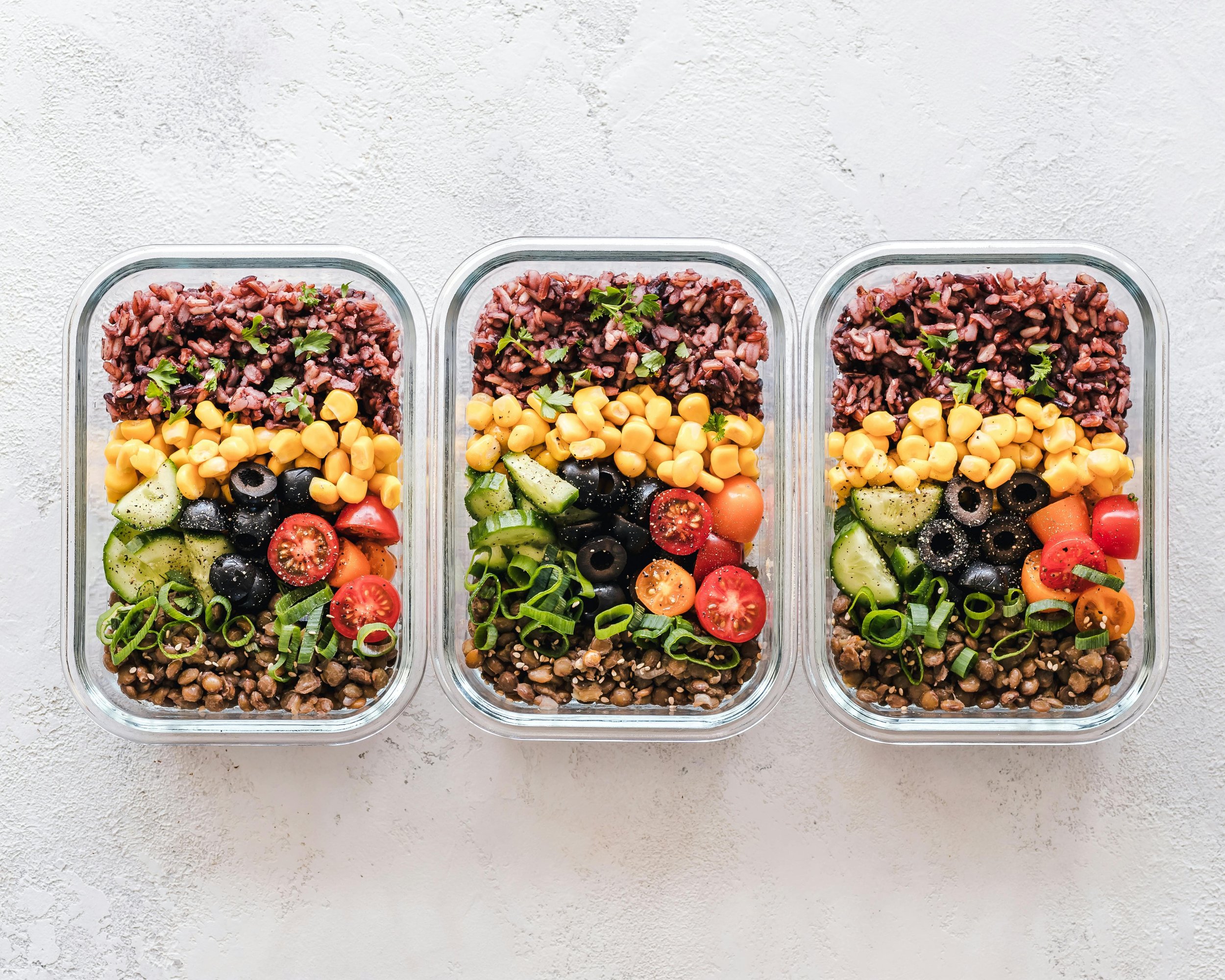
Why Does a Non-Toxic Kitchen Matter?
The kitchen is where families spend so much time preparing food, eating meals, creating those everyday moments that matter. It's also, unfortunately, where many of us unknowingly expose ourselves to harmful chemicals through cookware, storage containers, and cleaning products.
Here's the thing: creating a non-toxic home doesn't require throwing everything out and starting over with expensive replacements. We’re all already juggling enough, so the last thing your kitchen should add is more stress.
At Nest Earth, we've walked alongside families through these transitions, and we've seen what actually works. The most successful kitchen swaps happen gradually, starting with the items that matter most. Our community is full of parents sharing real experiences and practical ideas, helping each family discover what fits their life best. This approach prevents overwhelm while making meaningful changes that protect your family's health. Most days, just getting dinner on the table feels like a win. So small, doable changes matter.
Your kitchen contains items that come into direct contact with food your family eats every single day. When cookware releases chemicals during heating, or when plastics leach into stored food, those substances enter your body. Young children are especially vulnerable since their bodies are still developing and can't process toxins as effectively as adults.
A non-toxic kitchen is about removing items that could potentially harm your family's health. This includes cookware that releases harmful compounds when heated, storage containers that leach chemicals into food, and cleaning products that leave residues on surfaces where food is prepared.
Heat accelerates chemical leaching, making cookware and anything used for heating food particularly important to address first. Storage containers matter because food sits in them for extended periods, allowing more time for chemical transfer. And don't overlook cutting boards and utensils, especially ones you reach for multiple times a day.
What Cookware Should You Replace First?
Cookware represents the highest priority upgrade in most kitchens. Pans get heated regularly, and heat causes chemical compounds to break down and potentially migrate into food. Non-stick coatings in particular raise concerns due to the chemicals used in their production and the compounds they can release when overheated.
Let's talk about safer options that actually work.
Ceramic Cookware
Ceramic cookware is honestly one of our favorite recommendations. It's a safer, non-toxic alternative that performs beautifully and is surprisingly easy to clean. Brands like Caraway have really raised the bar. Their pieces are sleek, functional, and free from harmful coatings. Ceramic naturally resists sticking without the chemical concerns of traditional non-stick pans, and it heats evenly for consistent cooking results. If you’re someone who loves a pan that works even when you’re cooking one-handed while holding a toddler, ceramic is your friend.
Cast Iron
Cast iron is another fantastic option. It's naturally non-stick when properly seasoned, lasts for generations, and even adds a bit of iron to your food. You can often find cast iron pieces at thrift stores for a fraction of retail price. Even rusty or neglected pans can be restored. And truly, a cast iron pan might outlive your entire family. Your future grandkids may argue over it one day.
Stainless Steel
Stainless steel heats evenly, resists corrosion, and contains no coatings that can break down. While both cast iron and stainless steel carry higher price tags than coated pans, they prove more cost-efficient in the long run since they never need replacement.
Carbon Steel
Carbon steel offers another excellent option, functioning similarly to cast iron but lighter in weight. It develops a natural non-stick surface over time and works well for high-heat cooking.
Where to Start?
Replace the pan you use most frequently. For most families, this means one large skillet and one medium saucepan. These two pieces handle the majority of daily cooking. If your current go-to pan has seen better days, trust me, you’re not alone.
You don't have to do it all at once. Progress over perfection, always.
How Should You Upgrade Food Storage?
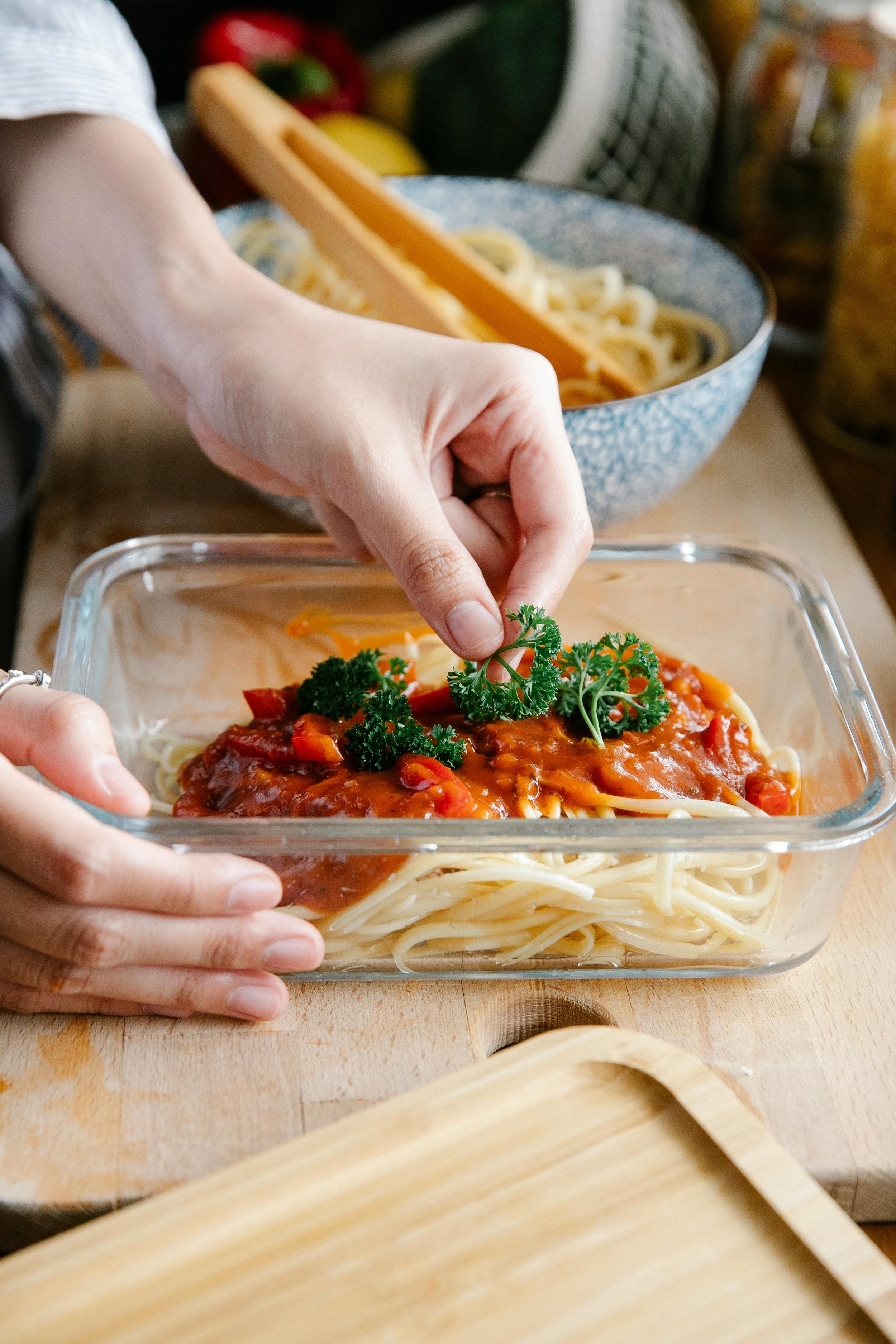
After cookware, food storage containers make the biggest impact. Plastic breaks down over time, especially when you're reheating leftovers or storing things like pasta sauce or cheese. And that's when chemicals are more likely to end up in the mac and cheese you just heated up for the third time this week. Most of us have a drawer full of well-loved containers that have seen better days.
Here are the options parents tend to trust most:
Glass Containers
Glass containers solve basically all of these problems. They don't leach chemicals, you can pop them straight from fridge to oven, and they last forever if you don't drop them. And if you have? No judgment. We've all heard that crash. Yeah, they cost more upfront, but you're never replacing them because they got weird and stained or started warping. So, if your plastic container drawer looks like a chaotic avalanche waiting to happen… same. Glass helps bring some sanity back.
Stainless Steel Containers
Stainless steel containers work well for dry goods, lunches, and foods that don't need reheating. They're lightweight, durable, and completely safe. Just keep in mind you can't microwave metal, so glass remains more versatile for most families.
Ceramic Containers
Ceramic food containers offer another wonderful option. They're non-toxic, durable, and great for storing leftovers, especially when reheating. Like glass, ceramic is inert and won't leach anything into your food.
Where to Start?
Replace plastic containers gradually rather than all at once. Start with the ones you microwave since reheating speeds up how fast chemicals get into your food. Next, tackle whatever you use for cheese, butter, or oils. Fats pull in chemicals faster. Then hit the marinara and salsa containers.
Avoid reusing disposable plastic containers from takeout or store-bought foods. These weren't designed for repeated use and break down faster, increasing potential chemical exposure. And no judgment if half your current containers are old takeout tubs. We’ve all been there.
What About Cutting Boards?
Cutting boards contact food directly and accumulate scratches that harbor bacteria. The material matters both for food safety and chemical exposure concerns.
Wood Cutting Boards
Wood cutting boards actually have natural bacteria-fighting properties, which is kind of amazing when you think about it. The wood pulls moisture and bacteria down below the surface, where they die as the wood dries out. Research shows bacteria actually die faster on wood than plastic. So that wooden board isn't just prettier, it's quietly doing its thing every time you use it.
Hardwoods like maple, walnut, or cherry work best due to their tight grain structure. Avoid softwoods as they're more porous and absorb too much moisture.
Even though wood has natural antimicrobial properties, it's smart to have separate boards for meat and veggies to avoid cross-contamination. This simple practice adds an extra layer of safety.
Parents reach for cutting boards constantly for snacks, lunches, toddler fruit plates, and full meals. So choosing a safe board matters more than we think
Plastic Cutting Boards
Plastic cutting boards were once recommended for food safety, but research shows they can harbor bacteria in knife scars just like wood. Additionally, tiny plastic particles shed from cutting boards during use, ending up in food. Given this, wood provides better overall performance without the microplastic concerns.
Metal Cutting Boards
Metal boards (usually stainless steel) are another option. They're easy to sanitize and don't harbor bacteria. However, they don't have antimicrobial benefits like wood, and they can be tough on knife edges and noisier to use.
Maintaining Wood Boards
Wash with hot soapy water after each use, dry thoroughly, and occasionally treat with food-grade mineral oil. This maintenance prevents cracking and ensures the board's natural antimicrobial properties continue working effectively.

Should You Replace Plastic Utensils?
Cooking utensils that come in direct contact with hot food deserve attention, particularly plastic or silicone items used for stirring, flipping, or serving hot dishes.
Wooden Spoons and Spatulas
Wooden spoons and spatulas provide the safest option for cooking. Wood doesn't conduct heat, won't scratch cookware, and contains no chemicals that can leach into food. Bamboo offers similar benefits with faster growth making it more sustainable.
Stainless Steel Utensils
Stainless steel utensils work well for many cooking tasks, though they conduct heat and can scratch some cookware surfaces. They're completely inert and will last indefinitely.
Silicone Utensils
Silicone utensils vary in quality. While food-grade silicone rated for high temperatures can be safe, lower-quality silicone may break down when heated repeatedly. If you decide to keep silicone tools, make sure they're rated for high heat and toss any that look worn or damaged.
Where to Start?
Replace plastic spatulas, spoons, and ladles first, as these contact hot food most frequently. Wooden alternatives cost little and last for years with basic care. And if your current utensils look a little mismatched or well-loved, you’re just a normal parent.
What Cleaning Products Need to Change?
Kitchen cleaning products leave residues on surfaces where food gets prepared. Many conventional cleaners contain harsh chemicals unnecessary for effective cleaning.
The good news? Simple alternatives work just as well:
White vinegar mixed with water in a spray bottle cuts grease, removes odors, and leaves no harmful residue (mix equal parts or adjust based on needs)
Baking soda handles scrubbing tasks without scratching while absorbing odors (mix with water to form a paste for tougher jobs)
Castile soap diluted in warm water cleans floors and surfaces that need more than vinegar alone
These ingredients cost less than commercial cleaners, work effectively for most kitchen cleaning tasks, and eliminate concerns about chemical residues on food preparation surfaces. If you prefer ready-made options, Grove Collaborative offers concentrated, eco-friendly cleaning products.
If you want something quick because you’re tired of reading label after label in the cleaning aisle, these basics make life easier.
How Do You Prioritize When the Budget Is Limited?
Not everyone can replace everything at once and that's completely okay. Real life doesn’t leave room for an overnight kitchen makeover and it shouldn’t have to.
Focus on the stuff you heat up first. Hot means more chemicals breaking down and ending up in your food. So cookware? That's your starting line.
Next, address items with the longest food contact time. Storage containers for leftovers and meal prep ingredients spend hours or days in contact with food, allowing more opportunity for chemical transfer than items with brief contact.
Finally, consider items that contact food most frequently. If you use certain utensils or cutting boards multiple times daily, replacing those provides more benefit than items used occasionally.
Spread purchases across several months rather than buying everything at once. Replace one or two items per month as your budget allows. This measured approach prevents financial strain while steadily improving your kitchen's safety.
Small steps add up. You're doing great.
Where Can You Find Affordable Options?
Creating a non-toxic kitchen doesn't require premium prices for every item. Several strategies help reduce costs while maintaining quality:
Thrift stores often carry cast iron pans needing only cleaning and re-seasoning, plus glass storage containers in sets
Restaurant supply stores sell commercial-grade stainless steel cookware at lower prices than retail kitchen stores
Buy one quality piece at a time rather than complete sets (most families use only a few pieces regularly)
Consider seconds or cosmetically imperfect items from manufacturers at significant discounts
Webstaurant Store offers restaurant-quality equipment at wholesale prices, while local thrift stores provide treasure hunts for cast iron and glass containers. Think of it as a little treasure hunt and you’d be surprised what you find.
What Changes Make the Biggest Difference?
Not everything in your kitchen needs replacing, and some upgrades provide more significant health benefits than others. Understanding relative impact helps direct resources effectively while avoiding unnecessary changes.
Highest Impact Changes
Replacing frequently-heated cookware provides the largest benefit. Daily use combined with high temperatures creates the greatest potential for chemical exposure. One quality pan used regularly matters more than multiple lesser-priority changes.
Eliminating plastic storage for fatty and acidic foods comes next. Fats and acids increase chemical leaching from plastics, making glass or ceramic containers particularly important for these foods.
Switching to simple cleaning products affects your entire home beyond just the kitchen. This change costs little, works immediately, and removes dozens of chemical exposures simultaneously.
What You Can Keep
Meanwhile, many items you already own can continue serving safely:
Ceramic and glass bakeware don't leach chemicals and tolerate high heat without breaking down
Stainless steel items you already own work perfectly, including colanders, mixing bowls, and utensils
Well-maintained wood items like older wooden spoons, cutting boards, and bowls in good condition continue providing safe service
Focus energy on high-impact areas like plastics that contact hot or fatty foods, non-stick cookware, and items showing wear before addressing lower-priority items. Everything else can transition gradually as items need replacement anyway.
The majority of benefit comes from relatively few key changes. For meal planning inspiration that works with your non-toxic kitchen setup, The Kitchn offers practical recipes and kitchen organization tips.
How Do You Maintain Your Non-Toxic Kitchen?
Creating a non-toxic kitchen is just the first step. Maintaining it requires some ongoing attention but nothing complicated:
Ceramic cookware needs gentle cleaning with non-abrasive tools to preserve the coating
Cast iron and carbon steel cookware need occasional re-seasoning by coating the pan with oil and heating it to create a protective, non-stick surface
Wood cutting boards and utensils benefit from periodic oiling with food-grade mineral oil every few weeks or whenever they look dry
Glass and ceramic storage containers need only regular washing, as they don't absorb stains or odors and don't degrade over time
These maintenance tasks take minimal time but ensure your kitchen upgrades continue performing well indefinitely.

Where Should You Start Today?
Creating a non-toxic kitchen happens one change at a time. Pick the single item in your kitchen that bothers you most or gets used most frequently with hot or fatty foods, and replace that item first.
For most families, this means one good skillet (ceramic, cast iron, or stainless steel). This eliminates the majority of non-stick coating exposure while improving cooking performance.
After replacing your most-used pan, move to food storage containers used for leftovers that get reheated. These two changes address the highest-risk items in most kitchens.
And remember: your kitchen doesn’t need to be perfect to be healthier.
From there, continue replacing items as budget allows and as current items wear out. Progress matters more than perfection, and each upgrade reduces your family's exposure and moves you toward a healthier home.
You're already thinking about these changes, which means you're already moving in the right direction. Every small swap counts.
Ready to create a healthier home for your family? Join the Nest Earth community where parents share strategies, recommendations, and support for making sustainable changes that protect your children's health. Looking for more guidance on sustainable parenting? We've got you covered.