
How Your Home's Air Quality Affects Your Child's Health

Key Takeaways
Indoor air can be 2 to 5 times more polluted than outdoor air, and your kids are breathing it in constantly. The good news? You don't need to overhaul your entire house or spend a fortune to make a real difference. A few simple swaps like switching to plant-based cleaners, opening windows regularly, and vacuuming with a HEPA filter can help reduce the chemical load your family is exposed to.
Kids are more vulnerable to indoor air pollutants because their lungs are still developing, they breathe faster than adults, and they spend more time at ground level where particles settle
Major sources of indoor pollution include conventional cleaning products with VOCs, off-gassing furniture, scented candles and air fresheners, accumulated dust and allergens, and hidden mold from moisture issues
Start by swapping conventional cleaners for plant-based options like Branch Basics, Blueland, or DIY solutions with vinegar and baking soda
Simple daily habits make the biggest impact: open windows for 10-15 minutes daily, vacuum high-traffic areas with a HEPA filter, and eliminate synthetic fragrances from candles and air fresheners
Join the Nest Earth community for vetted product recommendations and support from other parents creating healthier homes without the overwhelm
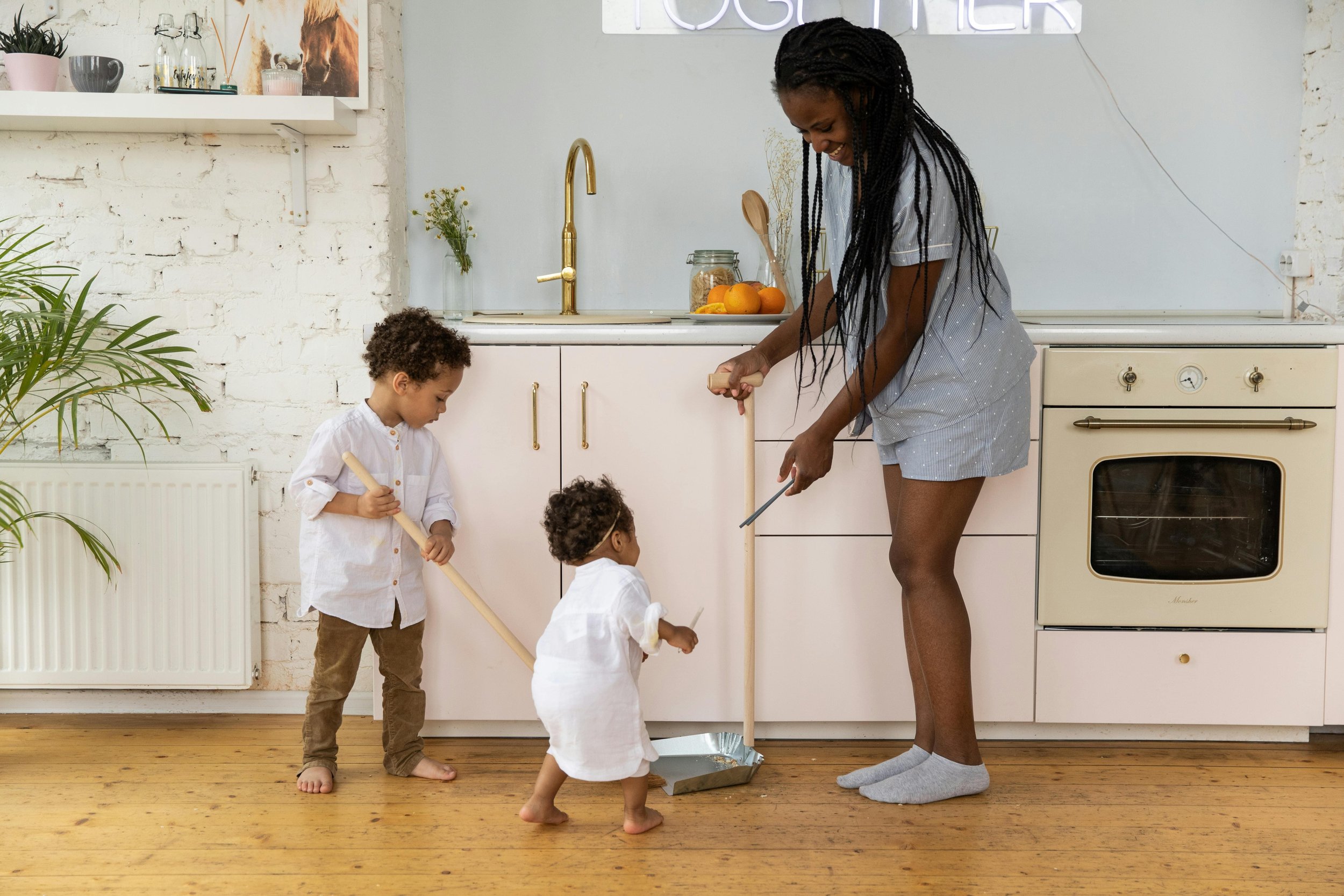
You walk outside on a smoggy day and immediately think about getting your kids back inside where the air is cleaner. I used to think the same thing. Then I learned that indoor air can be 2 to 5 times more polluted than outdoor air, and suddenly that logic didn't make much sense anymore.
I'm not saying this to freak you out. I'm saying it because most of us have no idea what's floating around in the air our kids breathe all day, and once you understand it, you can actually do something about it. The good part? You don't need to gut your house or spend thousands of dollars. You just need to know what matters and make a few swaps that actually work.
What Is Indoor Air Quality and Why Is It Different?
Indoor air quality is everything that's circulating in the air inside your home. Dust, chemicals from cleaning products, off-gassing from furniture, pet dander, mold spores, all of it. Our homes are sealed up tight most of the year, which means all those particles and chemicals just keep cycling through the same air over and over again.
The invisible part is what makes it tricky. You can see the pile of laundry that needs folding or the dishes in the sink, but you can't see formaldehyde off-gassing from your couch or VOCs from your kitchen cleaner hanging in the air. So we tend to ignore it because we don't have a visual reminder that something needs attention.
But your kids are breathing it in constantly. While they're playing, sleeping, eating breakfast, doing homework, all of it. And their bodies are working overtime to filter out whatever's in that air, which brings me to why this matters so much more for kids than it does for adults.
Why Do Children's Bodies React Differently to Poor Air Quality?
Kids are way more vulnerable to indoor air pollutants than we are, and it's not just because they're smaller. Their lungs are still developing, which means exposure to irritants and toxins can actually impact how their respiratory system grows and functions long-term.
They also breathe faster than adults. A toddler takes more breaths per minute than you do, which means they're taking in more air relative to their body size. More air means more exposure to whatever's floating around in that air, whether it's dust mites, chemical residue, or mold spores.
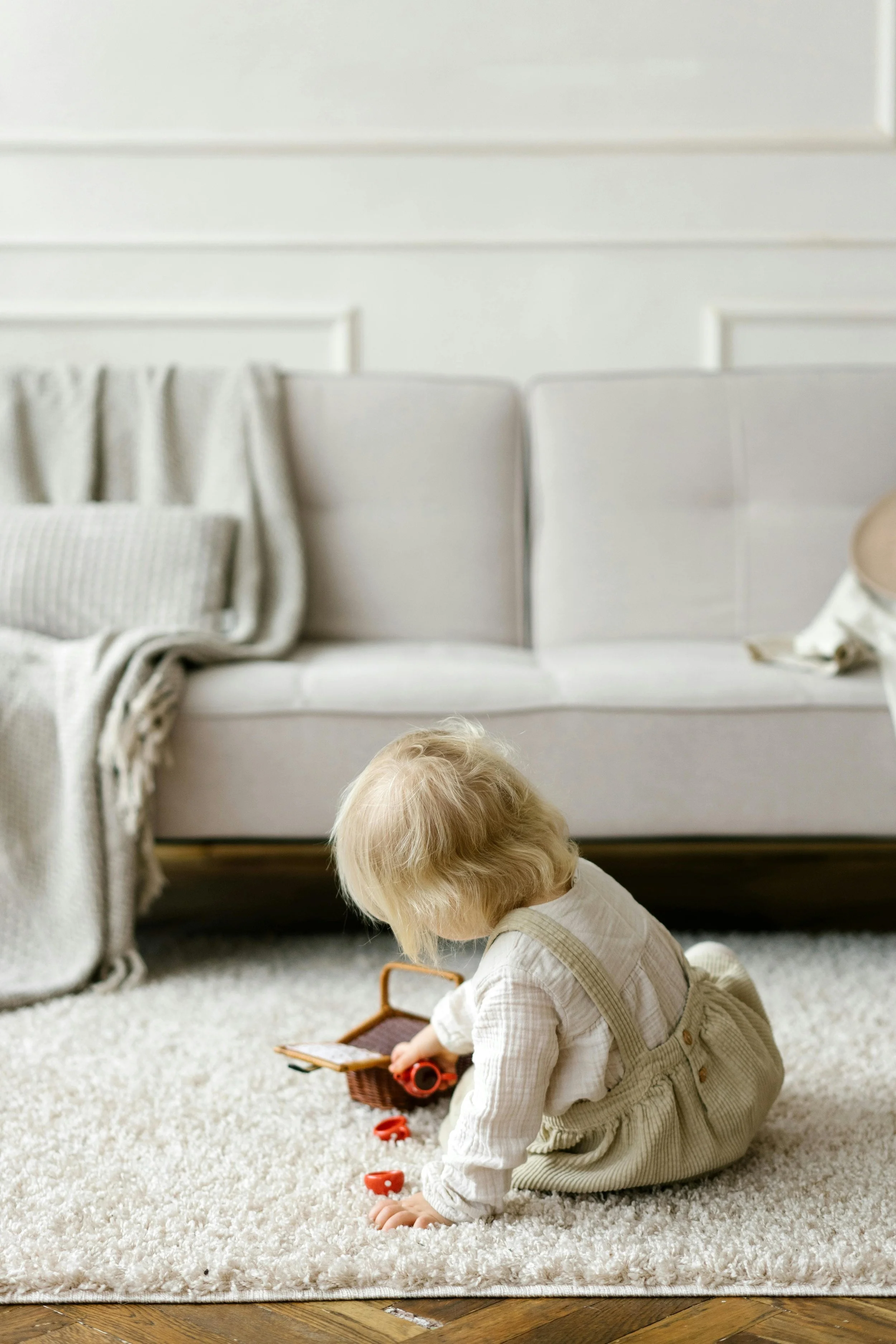
And think about where kids spend most of their time. They're on the floor. Playing with toys, doing puzzles, reading books, all of it happens at ground level where heavier particles settle. So while you're walking around at adult height breathing in whatever's up there, your kid is down low getting a concentrated dose of everything that's sunk to the bottom.
They're also inside more than most adults. Especially when they're young, they're spending the majority of their day in the house. Daycare, sure, but home is still their primary environment. That's a lot of exposure time.
All of this can contribute to asthma flare-ups, seasonal allergies that seem worse than they should be, respiratory infections that hang on for weeks, trouble sleeping, or even issues with focus and energy. A lot of times we don't connect the dots. We assume it's something they picked up at school or just their immune system doing its thing. But sometimes poor air quality at home is playing a bigger role than we realize
What Are the Common Sources of Indoor Air Pollution Most Parents Don't Think About?
Most people assume indoor air pollution is about dust and maybe some pet hair, but the reality is that a lot of what's affecting your home's air quality is coming from products you're actively bringing into your space.
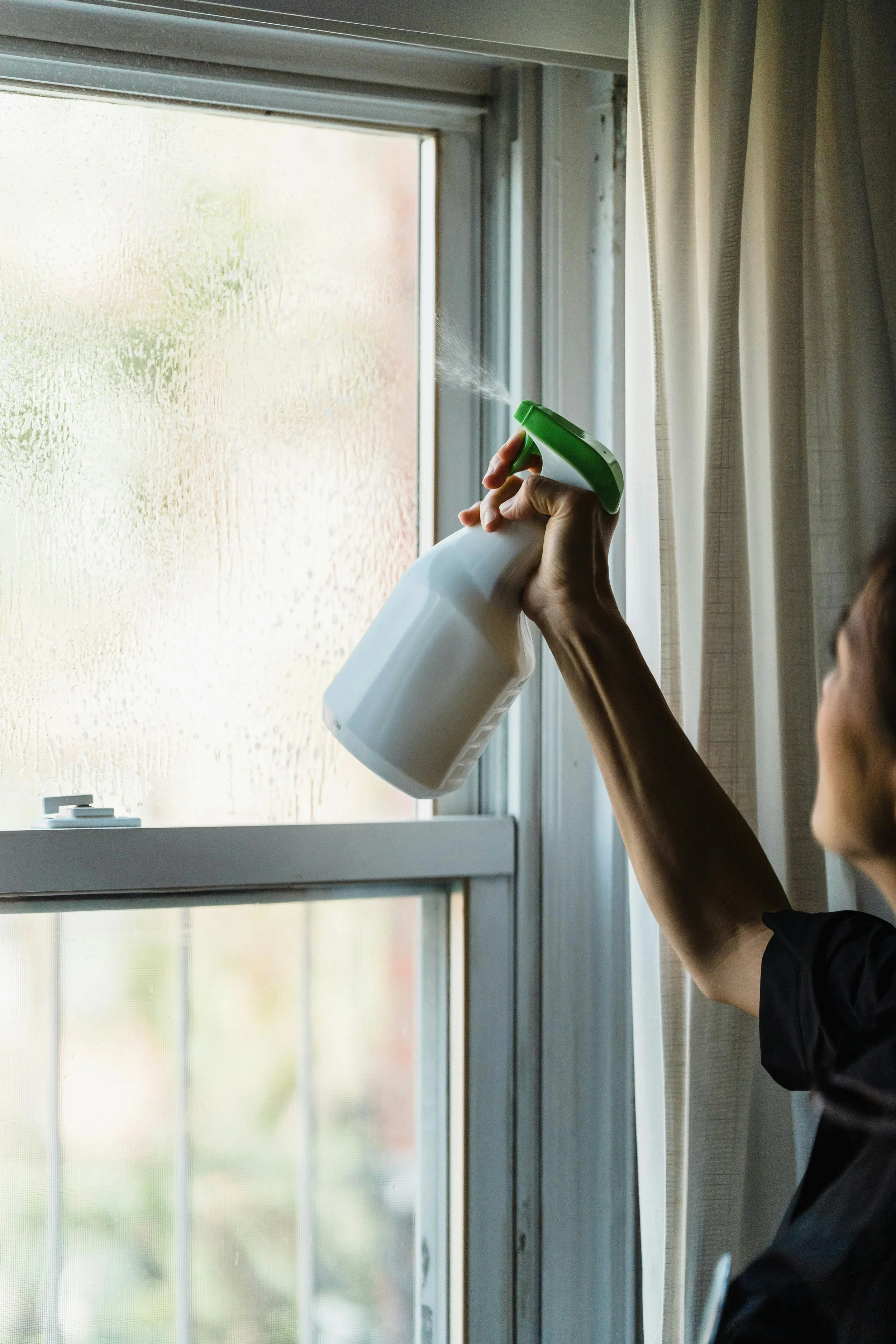
Cleaning products are one of the biggest contributors. Conventional sprays, wipes, and liquids are loaded with VOCs, which stands for volatile organic compounds. These are chemicals that evaporate into the air at room temperature and can irritate your lungs, eyes, and skin. That "fresh linen" or "spring rain" smell? It's a synthetic fragrance, and fragrance is actually a major source of VOCs in these products. Every time you spray your counters or wipe down a surface, you're releasing those chemicals into the air your family breathes.
Then there's off-gassing from furniture and building materials. New couches, carpets, pressed wood furniture, paint, all of it releases chemicals into the air over time. That new furniture smell is actually formaldehyde and other VOCs being released as the materials break down. It's strongest when things are brand new, but it continues for months or even years depending on what it is.
Scented candles and air fresheners are another big one. The primary concern with candles isn't just the wax, it's the fragrance. Most candles are made with paraffin wax, which is a petroleum byproduct, and when you burn them, they can release chemicals like benzene and toluene into the air. But synthetic fragrances are the major source of indoor air pollutants. That goes for plug-in air fresheners, spray fresheners, and those scented oils that are supposed to make your house smell like a spa too.
If you love candles, the safest option is unscented beeswax or soy candles. Even natural scents from essential oils can release VOCs and irritate sensitive airways, especially for kids with asthma. The truth is, the best move for air quality is to skip heavily scented products altogether and let your home just... smell like home.
Dust and allergens accumulate faster than most people realize. Dust mites, pet dander, pollen that gets tracked in on shoes and clothes, it all settles into carpet, upholstery, and any fabric surface in your home. Then every time someone walks by or sits down, it gets kicked back up into the air and circulates through the room again.
Mold is the one that sneaks up on people. If you've got any moisture issues, whether it's a damp basement, a bathroom that doesn't dry out well, or a small leak you haven't noticed yet, mold becomes more likely. And mold spores in the air can trigger respiratory issues, allergies, and even more serious health problems if it's left unchecked.
What Practical Changes Can Improve Air Quality Without Overhauling Your Life?
You don't need to replace all your furniture or move to a different house to improve your indoor air quality. You just need to be more intentional about a few key things that actually make a measurable difference.
Swap Your Cleaning Products for Non-Toxic Options
This is the easiest place to start and probably the most impactful change you can make. Switch out your conventional cleaning sprays and wipes for plant-based, fragrance-free options. You can buy brands like Branch Basics, Blueland, or Force of Nature if you want something ready to go, or you can make your own with vinegar, baking soda, and castile soap. Your house will still be clean, and you'll be reducing the amount of VOCs circulating in your home with every cleaning session.
Open Windows More Often Than You Think You Need To
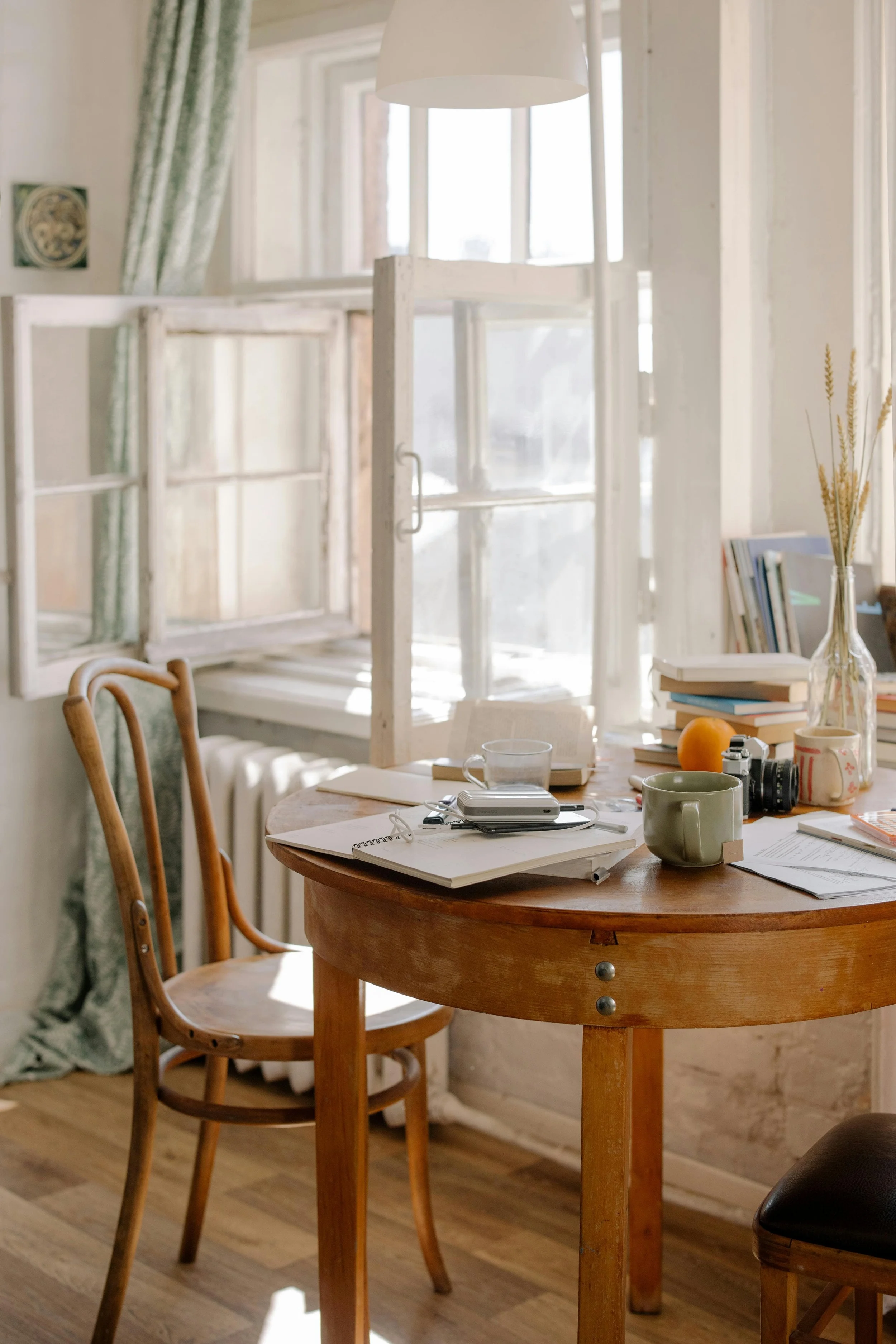
Fresh air is one of the simplest ways to improve indoor air quality, and most of us don't do it nearly enough. Even just cracking a window for 10 or 15 minutes a day helps flush out indoor pollutants and bring in fresh outdoor air. Yes, even in winter. You're not trying to heat the entire neighborhood, just doing a quick air exchange. If outdoor air quality is particularly bad on a given day, skip it. But most of the time, outdoor air is still cleaner than what's circulating inside.
Add a Few Low-Maintenance Houseplants
Plants can make your space feel better and support overall wellbeing, but they don't meaningfully improve air quality the way ventilation or air purifiers do. They absorb carbon dioxide and release oxygen as part of their natural process, and there's something calming about having a little bit of greenery around. Studies show that plants can improve mood and create a sense of comfort in your home.
Spider plants, pothos, and snake plants are all low-maintenance and pretty hard to kill, which makes them good options if you don't have a green thumb. Just keep your expectations realistic. They're a nice addition to your home, not a solution for air quality concerns.
Vacuum High-Traffic Areas Regularly with a HEPA Filter
If you have carpet or rugs, this one matters. A vacuum with a HEPA filter traps small particles instead of just blowing them back into the air like regular vacuums do. I vacuum our main living areas pretty much every day, not because I'm obsessive about cleaning, but because it keeps dust and allergens from building up. You don't need to vacuum your entire house daily. Just focus on the spaces where your kids spend most of their time.
Get Rid of Synthetic Fragrances
Stop buying scented candles made with paraffin wax and synthetic fragrances. If you want candles, switch to beeswax or soy candles scented with essential oils, or skip them altogether. Ditch the plug-in air fresheners and aerosol sprays. If you want your house to smell like something, simmer cinnamon and orange peels on the stove or use an essential oil diffuser. Or just let your house smell neutral. It doesn't need to smell like fake lavender or "ocean breeze" all the time.
Address Moisture and Mold Issues Before They Get Worse
If you've got a damp basement, a bathroom with poor ventilation, or any area that stays consistently moist, deal with it. Run a dehumidifier, fix leaks, make sure your exhaust fans are actually working and not just moving air around. Mold doesn't get better on its own, and the longer you wait, the worse it gets and the more expensive it becomes to fix.
Consider an Air Purifier for Key Spaces
Air purifiers with HEPA filters can help, especially in bedrooms or main living areas where your family spends the most time. They're not a necessity, but if you've got the budget for it, they're a solid addition. Just make sure you're buying one that's actually rated for the size of your room and has a true HEPA filter. The cheap ones that just blow air around aren't worth the money.
How Do You Start Small and Build Momentum?
You're not going to fix everything overnight, and you don't need to. Pick one thing from this list that feels manageable and start there. Maybe it's switching your all-purpose cleaner, opening windows more consistently, or finally buying that vacuum with a HEPA filter you've been putting off. Whatever it is, just start.
Once you make one change and see that it's not actually that hard, the next one becomes easier. You build momentum. And over time, those small changes add up to cleaner air in your home, which can mean healthier lungs for your kids and fewer respiratory issues, allergy flare-ups, and random illnesses that seem to come out of nowhere.
You're not going to eliminate every single pollutant. That's not realistic, and it's not the goal. The goal is to reduce the overall load so your kids' bodies aren't working so hard to filter out junk all day long. That's completely doable with some pretty straightforward swaps and habits.
If you're trying to figure out where to start with creating a healthier, less toxic home for your family, come join us in the Nest Earth community. You'll get access to vetted product recommendations, step-by-step guides for making swaps that actually work, and support from other parents who are on the same journey. Start with one small change and build from there. You don't need to overhaul your entire life or spend a fortune to see real improvements in your home's air quality and your kids' health.