
How to Simplify Your Kids' Toy Collection Without the Guilt
Key Takeaways
Fewer toys can benefit many kids more than having a playroom stuffed with options. Research suggests that kids with manageable toy collections often play more intentionally, focus better, and develop stronger creative skills because they're not overwhelmed by choices. You don't need to feel guilty about simplifying. You're giving your kids the opportunity for focused, meaningful play and teaching them that happiness doesn't come from constantly accumulating more stuff.
Fewer toys can reduce visual clutter and stress, allow for focused play that builds problem-solving skills, and help kids develop independence by making cleanup manageable
We accumulate toys because consumer culture convinces us more equals better parenting, plus well-meaning family gifts add up quickly without boundaries
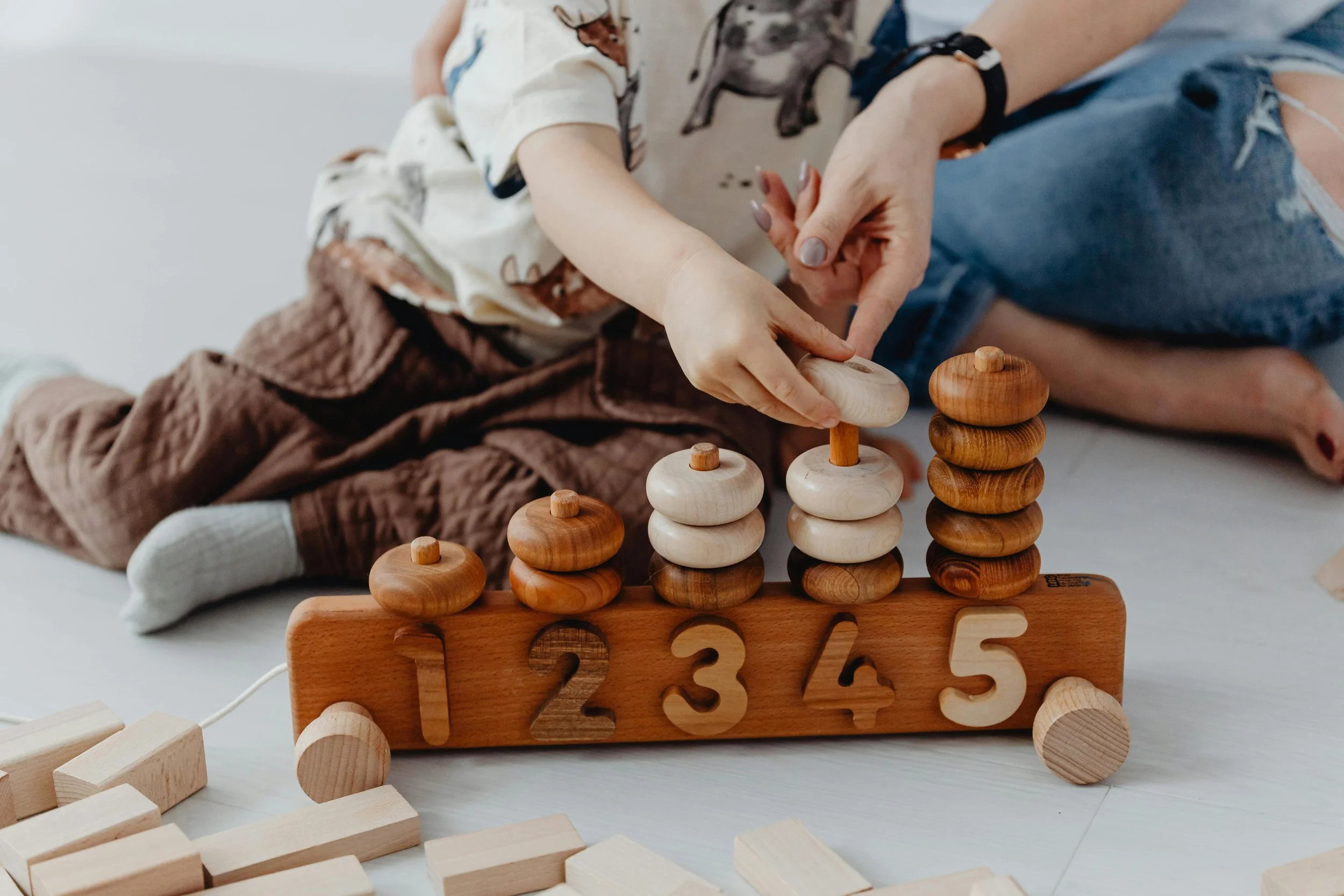
Keep open-ended toys that grow with your kids like blocks, art supplies, and wooden toys. Prioritize quality materials, and only keep toys your kids actually use regularly
Toy rotation works by dividing toys into three or four groups, keeping one group accessible while storing the rest, then rotating every two to three weeks so toys feel new again
Donate toys in good condition, have direct conversations with family about alternative gifts, and involve kids in age-appropriate ways by framing it as making space for what they love, not taking things away
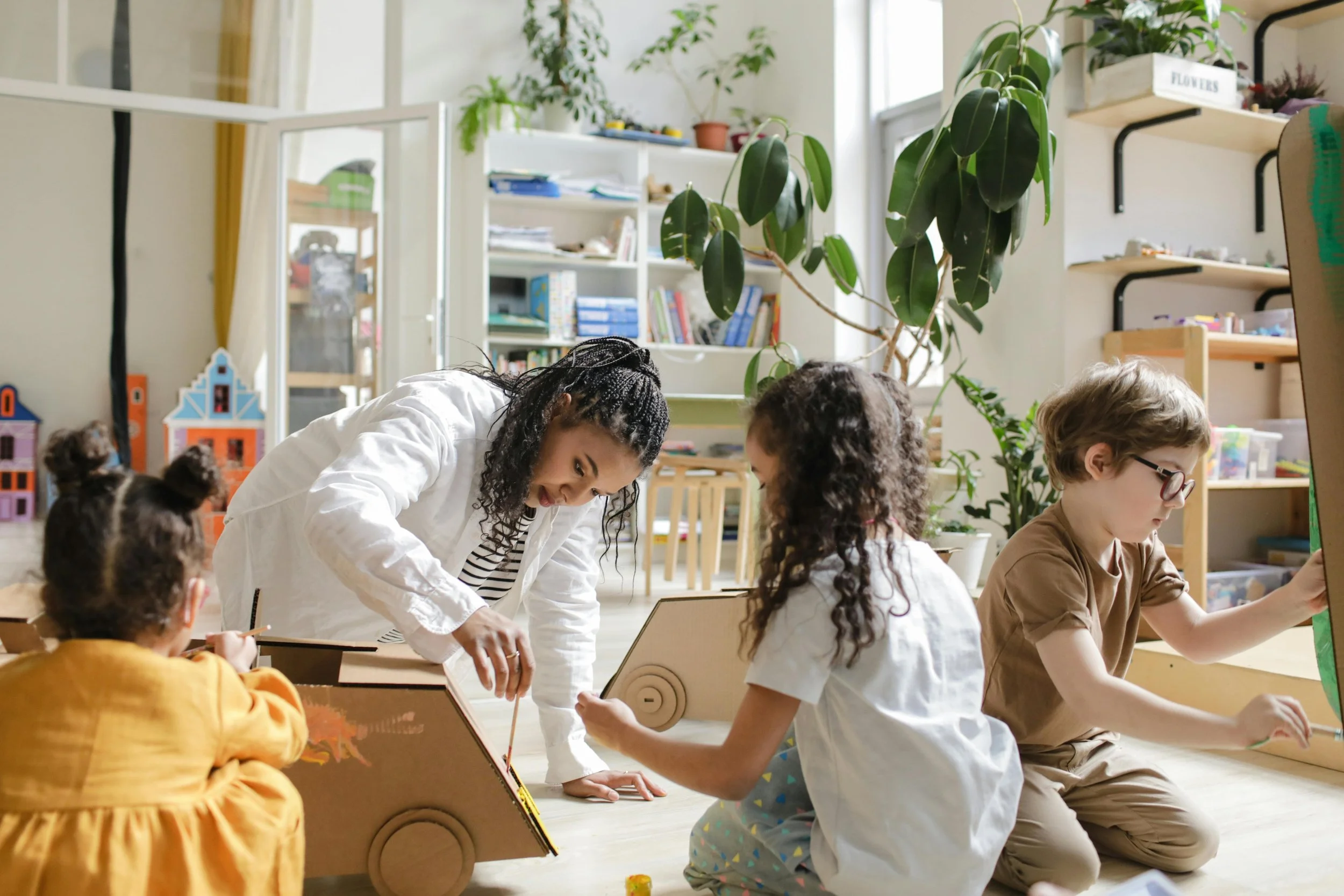
If you've ever walked into your kid's playroom and felt immediately overwhelmed by the sheer amount of stuff everywhere, you're not alone. Most parents accumulate toys faster than they realize. Birthday gifts, holiday presents, hand-me-downs from friends, impulse buys at Target. It all adds up until you're drowning in plastic and wondering how you got here.
And then there's the guilt. The voice in your head that says your kids need all these toys to be happy, or that getting rid of anything means you're depriving them of something important, or that fewer toys will somehow limit their creativity and development.
I'm here to tell you that research and experience suggest the opposite is often true. Simplifying your kids' toy collection can be one of the best things you can do for their development, and honestly, your own sanity. And you don't need to feel guilty about it.
Why Do Fewer Toys Actually Benefit Your Kids?
This might sound counterintuitive, especially in a culture that tells us more is always better. But research and real-world experience both suggest that kids with fewer toys often play more intentionally, focus better, and develop stronger creative and cognitive skills.
When kids have too many toys, they can get overwhelmed. They don't know where to start, so they either pull everything out without actually playing with anything, or they bounce from toy to toy without engaging deeply with any of them. Their play becomes scattered and distracted instead of focused and meaningful.
Fewer toys can mean less visual clutter, which tends to reduce stress for kids the same way it does for adults. They can actually see what they have, make a clear choice about what to play with, and then engage with that toy in a more intentional way. They're not constantly distracted by the next thing, so they often stay with one activity longer and get more out of it.
This kind of focused play is where real learning happens. When a kid spends 20 minutes building with blocks instead of 2 minutes before moving on to something else, they're developing problem-solving skills, spatial awareness, and patience. When they're not overwhelmed by options, they often tap into their imagination and creativity to figure out new ways to use what they have.
Simplifying toys can also help kids develop independence. When the toy situation is manageable, kids can actually put things away by themselves. They know where everything goes, they can reach it, and they're not facing an impossible cleanup task that makes them shut down. This builds confidence and a sense of ownership over their space.
Why Do We Accumulate So Many Toys?
All those toys taking over your house? They didn't pile up because you meant for that to happen. They're there because we've all absorbed the idea that more toys equals more joy, better development, and winning at parenting.
Toy companies and marketers have done an incredible job convincing us that our kids need specialized toys for every stage of development, every type of play, every possible interest they might have. And that if we're not constantly buying new things, we're somehow failing as parents.
But that's just not true. Kids don't need 50 toys to be happy or well-developed. They need a few good, open-ended toys that they can use in multiple ways, plus unstructured time to actually play with them.
The other source of toy accumulation is well-meaning family and friends who show love through gifts. Grandparents, aunts and uncles, family friends, they all want to give your kids something special. And before you know it, you've got three bins full of toys that your kid barely touches because there's just too much.
Setting boundaries around gifts can feel awkward, but it's worth it. You can ask for experiences instead of toys, suggest contributing to a savings account, or request specific items your kid actually needs. Most people are happy to follow your lead once they know you have a preference.
Which Toys Should You Keep and Which Should You Let Go?
The hardest part of simplifying isn't deciding that you want fewer toys. It's figuring out which ones to keep and which ones to get rid of. Here's a practical framework that makes the decision easier.
Keep Open-Ended Toys That Grow With Your Kids
Open-ended toys are ones that can be used in multiple ways and don't have a single prescribed function. Building blocks, art supplies, dress-up clothes, play silks, simple wooden toys. These are the toys that kids often return to over and over because they can use them differently depending on their mood, their age, and their imagination.
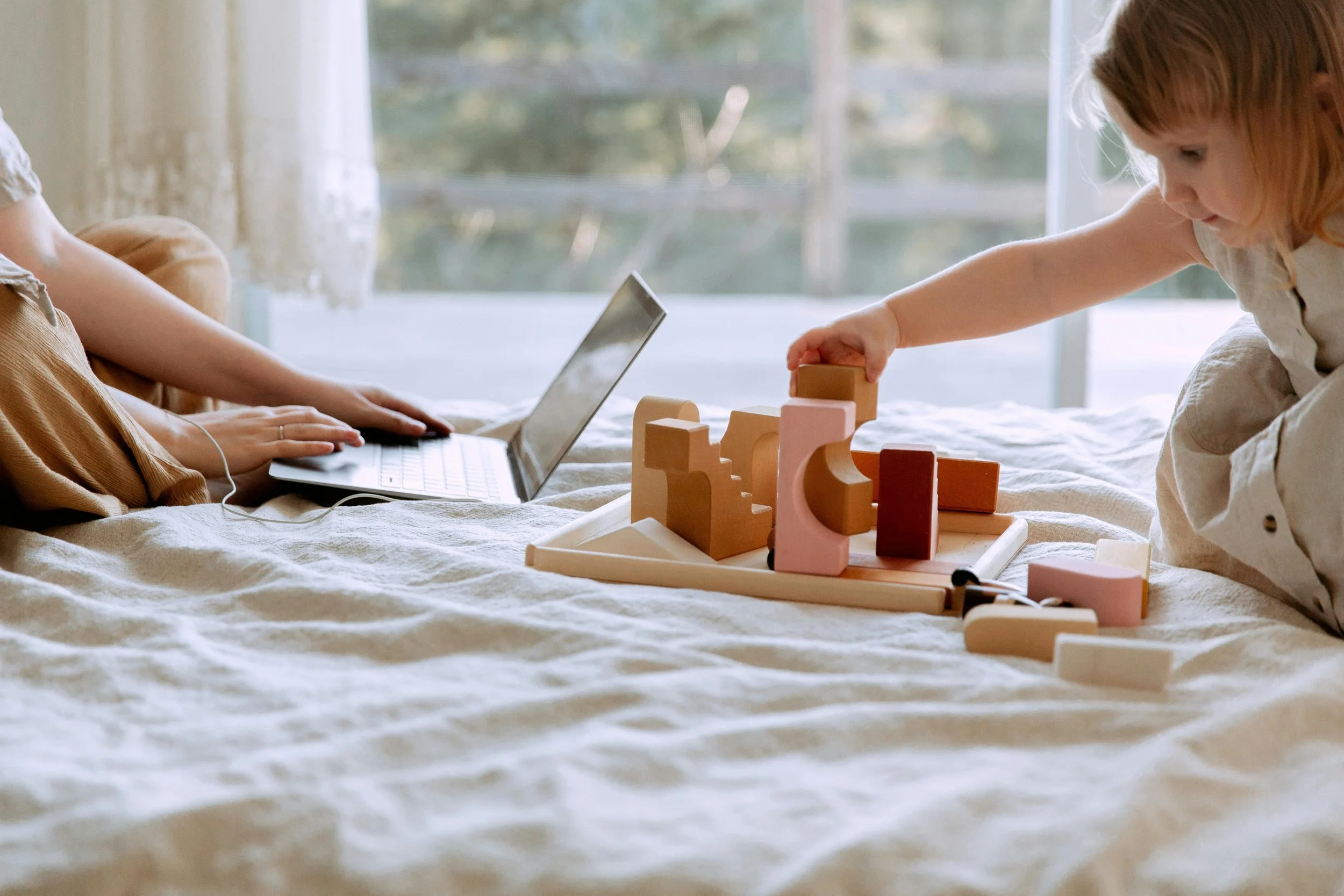
A set of good quality blocks can entertain a toddler building towers, a preschooler creating cities, and an elementary-age kid designing complex structures. That's a toy worth keeping. A battery-operated toy that does one thing and then sits in the corner? That can go.
Prioritize Quality Material
Not all toys are created equal when it comes to materials and safety. When you're deciding what to keep, consider prioritizing natural materials like wood, cotton, wool, and metal over plastic when possible. These materials tend to be more durable and don't carry the same potential exposure concerns as some plastic toys.
Lower-quality plastic toys, especially older ones or those from poorly regulated manufacturers, may contain chemicals like BPA, phthalates, or lead. When kids chew on these toys or when they break down over time, there can be concerns about chemical exposure. Higher-quality toys that meet current safety standards are generally safer, but natural materials avoid these concerns altogether.
Brands like Lovevery, Grimm's, and PlanToys make high-quality wooden toys that are designed to last for years and can be passed down to siblings or other families.
Keep Toys Your Kids Actually Use
This seems obvious, but it's easy to hold onto toys because you spent money on them, or because they were gifts, or because you think your kid should like them even though they clearly don't.
Watch your kids for a week and see what they actually gravitate toward. Those are the toys to keep. Everything else is just taking up space and contributing to visual clutter and overwhelm.
If a toy hasn't been touched in months, it's time to let it go. Your kid won't miss it, and the freed-up space will make it easier for them to engage with the toys they actually love.
Let Go of Anything Broken, Missing Pieces, or Battery-Dependent
Toys that are broken often don't get repaired, even with the best intentions. If something is broken and you haven't fixed it in the last month, it's probably not getting fixed. Donate it or throw it away.
Same with toys that are missing critical pieces. That puzzle with 10 pieces gone? The toy kitchen set that's missing half the accessories? Let them go. They're not serving anyone.
Battery-operated toys are usually the first ones kids lose interest in because they don't require much imagination or engagement. They do their thing, it's entertaining for a few minutes, and then the novelty wears off. Plus, when batteries sit unused for extended periods, they can leak alkaline, which can damage toys and create a safety concern. If you've got battery-operated toys that your kid doesn't play with regularly, consider getting rid of them.
How Do You Implement a Toy Rotation System?
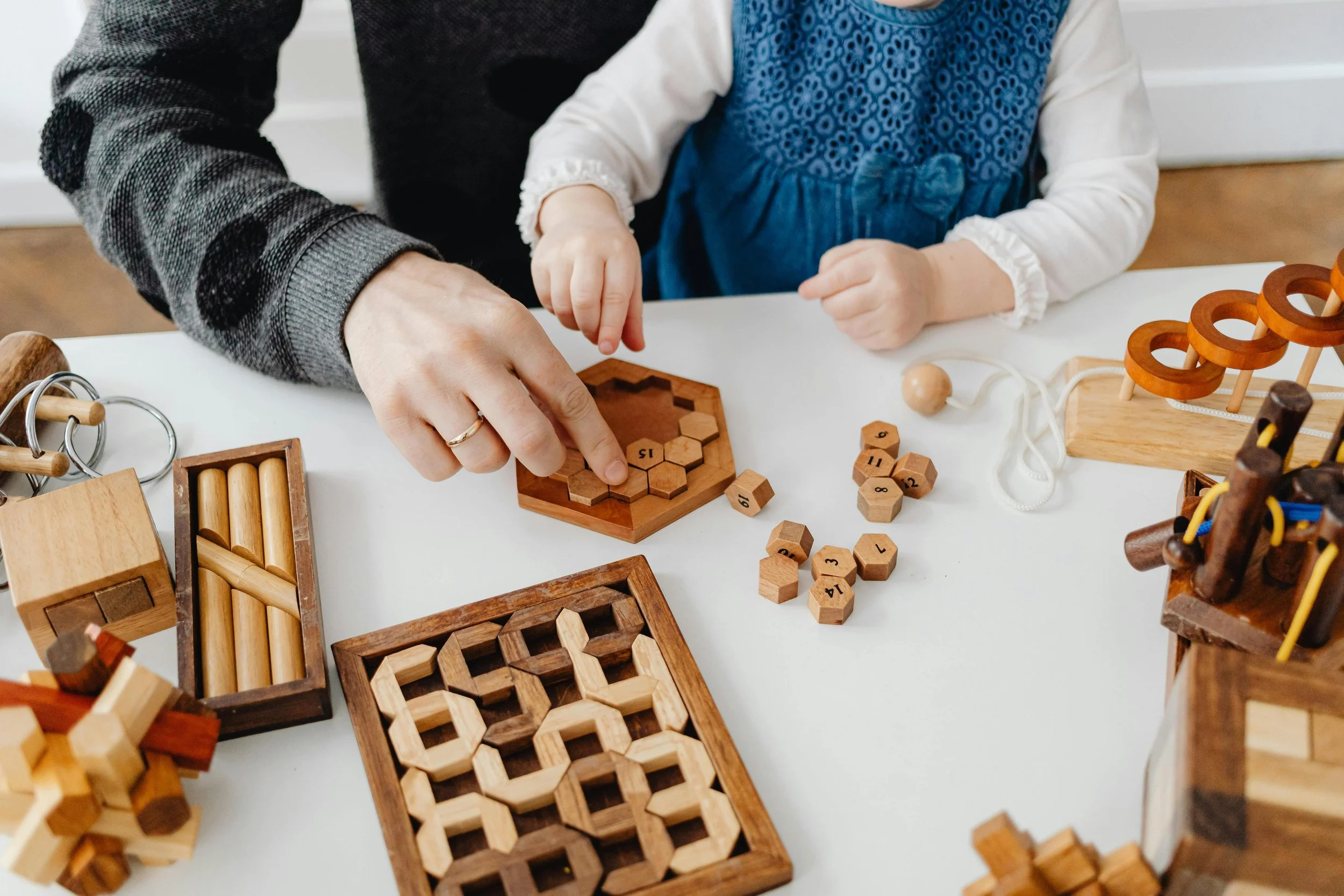
Once you've pared down your toy collection, a rotation system helps keep things fresh without adding more stuff. The concept is simple: keep some toys accessible and store the rest out of sight. Every few weeks, rotate what's available.
When your kid hasn't seen certain toys for a few weeks, they often feel new again. They engage with them more intentionally and with more excitement than they would if everything was always available. This extends the life of the toys you have and can help prevent boredom without requiring you to constantly buy new things.
Start by dividing your toys into 3 or 4 groups. Keep one group out and store the others in bins, closets, or anywhere your kids can't see them. Every 2-3 weeks, swap out what's available. You can do this on a schedule, or you can just wait until your kid seems bored with what's currently out.
Simple storage bins work fine for this. You don't need a complicated system or expensive organizers. Just something to keep the rotated toys contained and out of sight until it's their turn again.
How Do You Deal With Guilt and Pushback?
The guilt around getting rid of toys is real. You might feel like you're being wasteful, or ungrateful for gifts people gave, or depriving your kids of something they need. But holding onto toys out of guilt doesn't serve anyone.
Your kids don't need everything they've ever received. They need a manageable amount of high-quality options that they can actually engage with. The rest is just clutter that stresses everyone out and makes it harder for your kids to focus and play meaningfully.
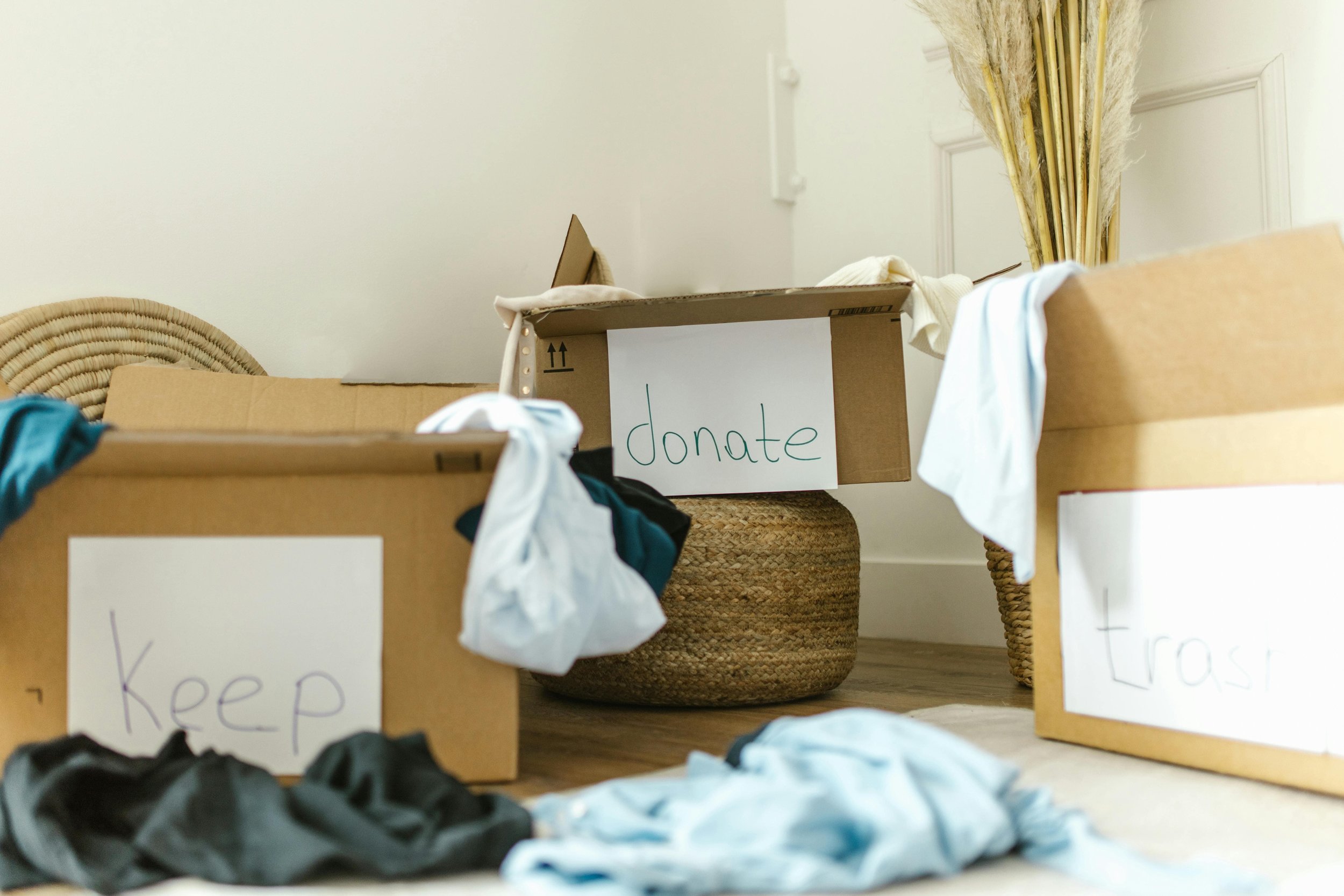
If you're worried about waste, donate toys that are still in good condition. Local shelters, preschools, churches, and community centers often welcome toy donations. You can also sell toys on secondhand platforms like Mercari or Facebook Marketplace if you're looking to make back a little cash.
When it comes to family members who keep buying toys despite your requests, you might need to have direct conversations. Let them know you're simplifying and ask them to consider other types of gifts, like books, art supplies, or contributions to experiences like museum memberships or swim lessons. Most people want to give gifts that actually get used and appreciated, so they'll usually adjust once they understand your priorities.
If your kids push back on getting rid of toys, involve them in the process in an age-appropriate way. For younger kids, you can make the decisions yourself or give them simple choices between two options. For older kids, explain why you're simplifying and let them have input on what stays and what goes.
Frame it positively. You're not taking things away. You're making it easier for them to find what they want, clean up their space, and actually enjoy the toys they love. Most kids understand this once they experience how much better it feels to have less clutter.
What Are the Long-Term Benefits Beyond the Playroom?
Simplifying toys does a lot more than give you a cleaner playroom. It's about teaching your kids that they don't need constant stimulation and new things to be happy. It's about showing them that less can actually be more, and that taking care of what you have matters more than constantly acquiring more.
Kids who grow up with fewer toys often develop better focus, stronger problem-solving skills, and more creativity. They tend to learn to entertain themselves without needing constant novelty. They can become more responsible for their belongings because they can actually keep track of what they have.
And as a parent, you'll have less to manage, less to clean up, and less mental clutter weighing on you every time you walk past the playroom. That's worth more than any toy you're letting go of.
If you're ready to simplify your kids' toy collection but you're not sure where to start or how to make choices that actually stick, come join us in the Nest Earth community. You'll get guidance on simplifying your home, creating systems that work, and support from other parents on the same journey. You don't need to do it perfectly. You just need to start somewhere.