
Zero-Waste Lifestyle Tips: Where to Start Your Zero-Waste Journey
Key Takeaways
A zero-waste lifestyle begins with small steps, not throwing out all your belongings or expecting perfection. Begin with whatever waste stream drives you crazy, maybe it's the mountain of plastic toys or the weekly pile of takeout containers. Focus on materials that either last for years or return to the earth naturally. Small, consistent changes in high-impact areas like food storage, cleaning products, and kids' items create meaningful results without overwhelming your family.
Start with your biggest frustration, not someone else's priority list
Use what you already have before buying "zero-waste" alternatives
Focus on refusing single-use items in areas you interact with daily
Join your local Buy Nothing group for free secondhand items and community support
Progress beats perfection, and reducing waste by 50% still makes a massive difference
Why Start a Zero-Waste Journey?
You don't need to do it perfectly to make a difference. Every small shift counts.
Starting a zero-waste lifestyle doesn't require tossing everything you own or memorizing recycling codes for every type of plastic. After connecting with families in our community who've made these shifts, we've learned that reducing waste is more about identifying what bothers you most and making gradual changes that fit your actual life.
The term "zero-waste" gets thrown around constantly, and it can feel overwhelming when you're trying to figure out what to tackle first, what products to switch, and where to put your energy. Parents want to lighten their environmental footprint and create healthier homes, but the perfectionism and judgment in this space can leave you feeling stuck rather than empowered.
A zero-waste lifestyle is simply one where you've significantly reduced what ends up in landfills, especially materials that take centuries to break down or release harmful substances as they decompose. It's not about achieving literal zero or living without modern conveniences. It's about being more intentional with what comes into your home and what leaves it.
What Does Zero-Waste Mean for Families?
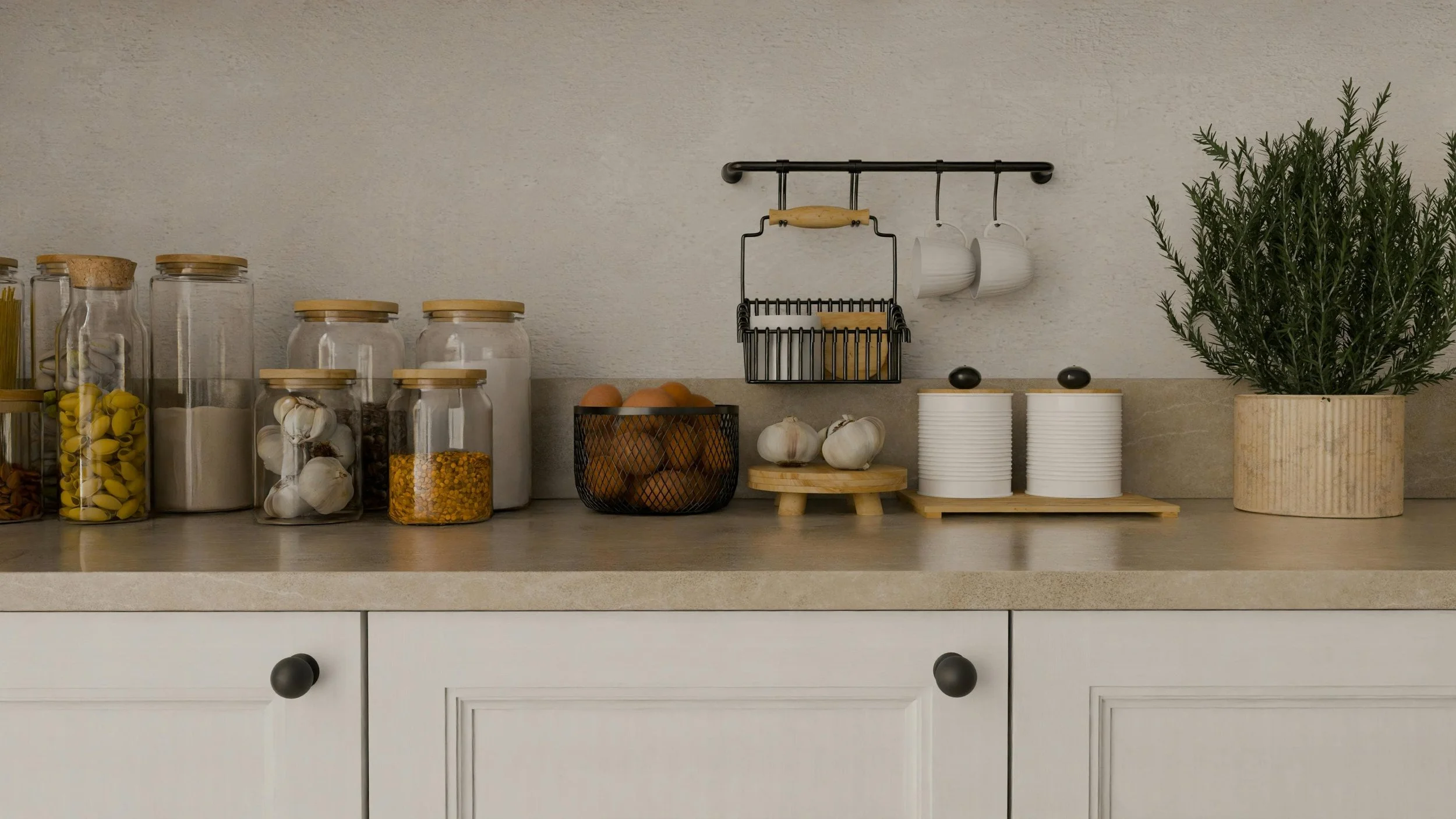
Zero-waste lifestyle tips often paint a picture of pristine mason jars and perfectly organized pantries. That's not reality for most families with young kids. True zero-waste living means rethinking how stuff flows through your home and making intentional choices about what comes in and what goes out. It's not about having a Pinterest-perfect setup. It's about creating habits that actually work for your family.
For families with children ages zero to five, this matters even more. Little ones are still growing, and their bodies just can't filter out toxins the way ours can.
Think of zero-waste as an investment mindset rather than a purity test. You're investing in products and systems that work long-term instead of constantly replacing cheap items that break or get tossed after single use. This shift can actually make parenting easier once you get past the initial adjustment period because you have less clutter, fewer decisions, and more time for what matters.
Where Do You Actually Begin?
Trying to do everything simultaneously is where most people stumble when starting zero-waste lifestyle tips. They buy all new containers, research every product category, and attempt to revolutionize their entire household in one weekend. Then they burn out and quit within a month.
The better approach? Pick one thing. The best place to start is with whatever's driving you most nuts. Fix just that thing.
If you're drowning in plastic food storage containers with missing lids, start by replacing them with glass as the plastic ones break or disappear. Don't toss out functional plastic just to buy something new because that creates more waste and costs money you don’t need to spend. And if you're worried about using older plastic containers for food because of scratches or age, you still don’t need to throw them away. Repurpose them instead. Use them for crayons, markers, puzzle pieces, craft supplies, or anything your kids won’t be eating. Keeping them in circulation reduces waste and helps you make small, intentional upgrades over time.
If diaper waste bothers you most, research cloth diapering or switch to a brand like Healthy Baby that eliminates dyes and harmful chemicals from disposables. You don't have to go full cloth diaper immediately. Try a hybrid approach where you use cloth at home and disposables when you're out. Progress matters more than perfection.
Making one change, letting it become habitual, then adding another creates lasting results. This gradual approach typically sticks because you're not overwhelming yourself or your family. Kids especially need time to adjust to new routines, and trying to change too much at once guarantees resistance and meltdowns.
How Do You Handle Food Waste and Packaging?
Food-related waste makes up a huge portion of what families throw away, both the packaging things come in and the actual food that goes bad before you use it. Tackling this area gives you quick wins that save money and reduce trash.
Start by auditing what you actually throw away. Just notice what keeps ending up in the bin. That's your roadmap. You'll probably notice patterns. Maybe you constantly toss wilted herbs or spoiled dairy. Maybe you accumulate plastic produce bags or takeout containers. These patterns show you exactly where to focus.
Reducing Packaging
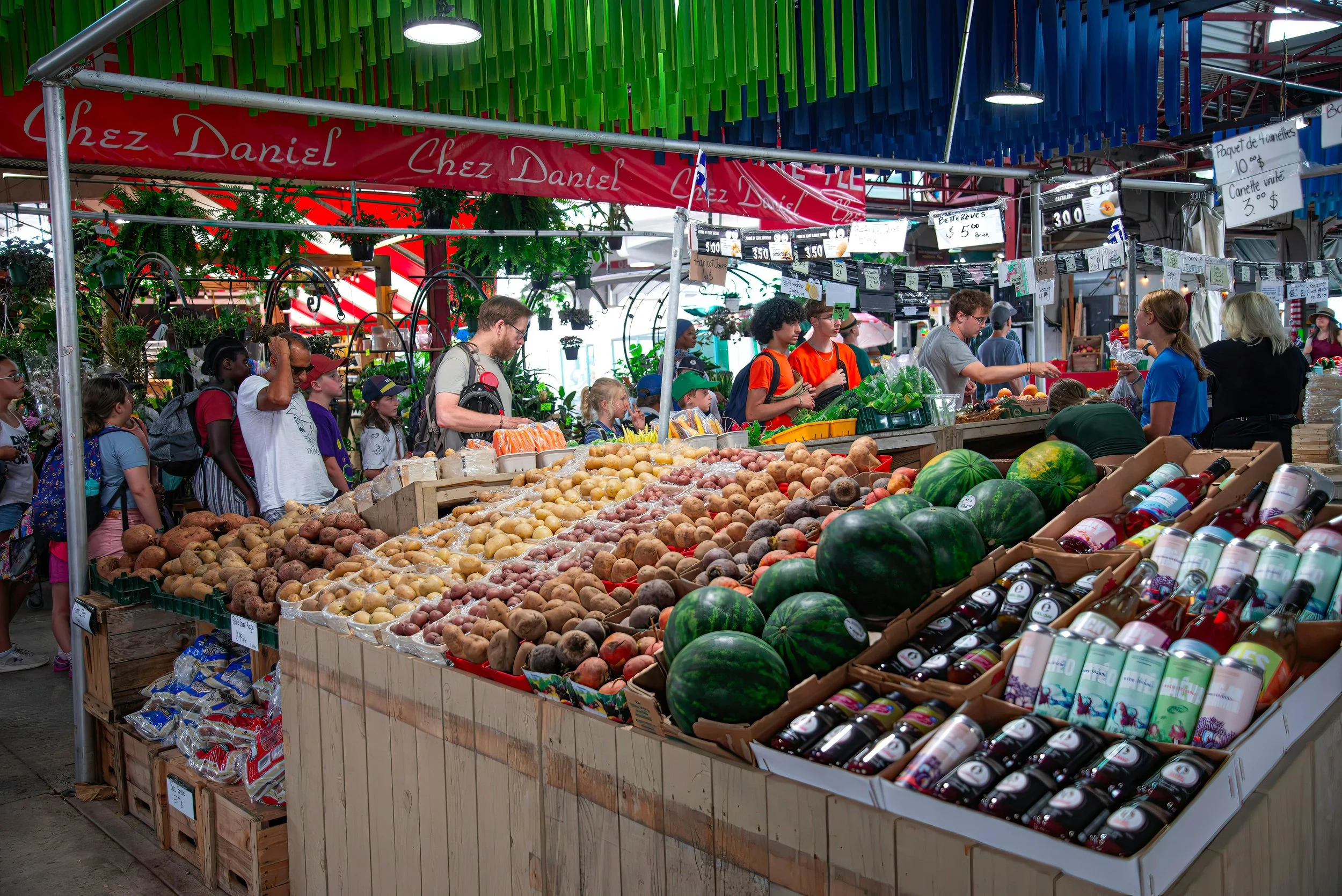
For packaging, buying in bulk when possible and choosing products with minimal or compostable packaging creates the biggest impact. Bring your own bags and containers to stores that allow it. Many grocery stores and co-ops have bulk sections where you can get grains, nuts, dried fruit, and spices without packaging. Your local farmer's market often has less packaging than conventional grocery stores and you support local growers.
Meal Planning
For food waste itself, meal planning makes the biggest difference. This doesn't mean elaborate meal prep or cooking everything from scratch. It means having a rough idea of what you'll eat this week before you shop, so you buy ingredients you'll actually use. Even a loose plan beats wandering the aisles and impulse buying things that rot in your fridge.
Composting
Composting food scraps cuts your trash volume dramatically. Kids can help with composting. It's a fun way to see food scraps turn into something new. If you have outdoor space, a simple compost bin works great. If you're in an apartment, look into countertop composting systems or check if your city has a composting program. Some areas even have compost pickup services. Food scraps in landfills produce methane, a potent greenhouse gas, but composted properly they turn into soil that grows more food.
What Should You Do About All the Plastic Toys?
Plastic toys are everywhere, and they multiply fast. They show up at birthday parties, from well-meaning relatives, in fast food kids' meals, and somehow seem to reproduce overnight in your living room.
The good news is you don't need to toss everything you currently own. Use what you have. The environmental cost of manufacturing and shipping those toys already happened. Throwing them away to buy wooden alternatives creates more waste and costs more money.
Instead, focus on what comes in from this point forward. Set boundaries with family about gifts. When you throw birthday parties, put a note in the invitation saying you'd prefer no gifts, or if people insist on giving something, suggest contributions toward an experience like swimming lessons or a zoo membership. You can also request specific items like clothes in the next size up or wooden toys if you're comfortable being that direct.
Check out sites like ThredUp for secondhand kids' clothes and Facebook Marketplace for local toy swaps and secondhand finds. Join your local Buy Nothing group where parents constantly give away toys their kids outgrew. These options cost less and prevent new manufacturing.
When you do buy new, invest in open-ended toys made from natural materials that last. Wooden blocks, simple dolls, art supplies, and building toys get used for years across different developmental stages. Plastic toys marketed to specific ages or tied to media franchises have much shorter useful lives before kids lose interest.
You don't have to go full minimalist. Just start saying yes to fewer, better things.
Moving toward experiences over things shifts the dynamic entirely. Kids genuinely don't need constant new toys. They need your time and attention. Save money and waste by doing activities together, such as visiting parks, going to the library, baking together, and doing art projects. These create better memories than another piece of plastic that'll break in three weeks.
How Can You Reduce Waste in the Bathroom and Personal Care?
Bathrooms generate shocking amounts of waste from single-use items, plastic packaging, and products you use daily. This area offers some of the easiest swaps because you're already buying these items regularly anyway.
Start with items you replace frequently:
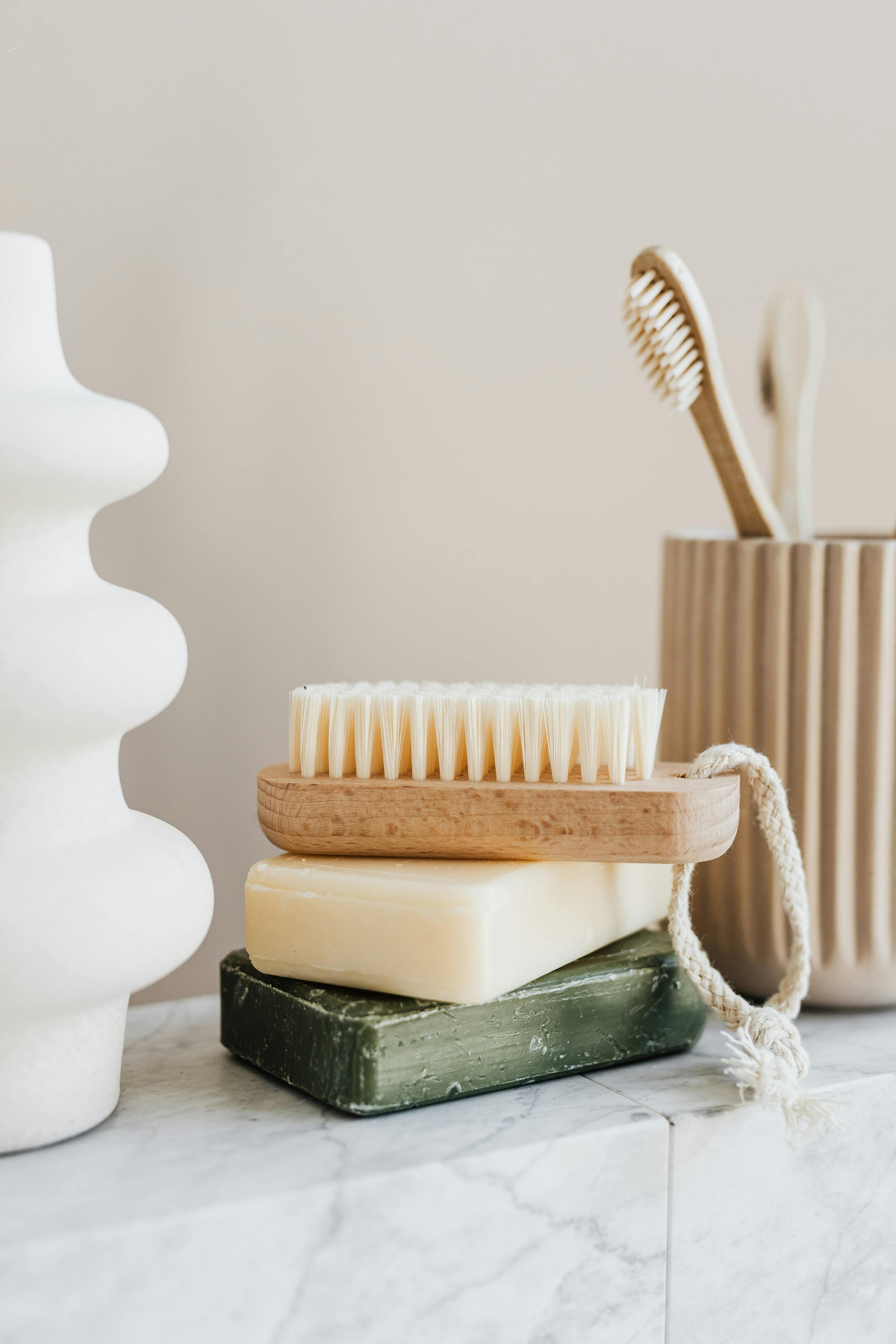
Switch from disposable cotton rounds to reusable washable cloths. Etsy's full of great reusable options, or just cut up an old t-shirt. Easy and free.
Replace plastic toothbrushes with bamboo ones that decompose instead of sitting in landfills for centuries.
Try bar versions of shampoo, conditioner, and body wash that come in paper packaging or no packaging at all.
For kids, be mindful of what goes on their skin. Their skin is extra sensitive, so it's worth checking what's in the products we use. Many conventional baby products come in plastic packaging and contain unnecessary fragrances and chemicals. Simple options like plain castile soap work great for babies and toddlers, come in larger bottles you refill less often, and contain ingredients you can actually pronounce.
What About Cleaning Supplies and Kitchen Items?
The kitchen and cleaning supplies area gives you big opportunities for waste reduction while also eliminating toxic chemicals your family breathes in regularly. Most conventional cleaning products come in plastic bottles, contain ingredients that could harm aquatic life when they go down the drain, and may release volatile organic compounds into your air while you clean.
Yet surfaces don't actually need harsh chemicals to get clean. You'll be surprised how far vinegar, baking soda, and castile soap can take you. It's the ultimate mom hack.
Start with what you clean most often. For most families, that's kitchen counters, floors, and bathrooms. Three simple ingredients handle the majority of household cleaning tasks:
Mix vinegar with water in a reusable spray bottle for counters and glass
Sprinkle baking soda in sinks and tubs, scrub, and rinse
Dilute castile soap in water for mopping floors
These simple solutions cost pennies per use, you can buy ingredients in bulk with less packaging, and you eliminate exposure to harsh chemicals. Your home smells clean without artificial fragrances that could trigger headaches or respiratory issues, especially important if you have little ones breathing that air all day. You can find recipes and cleaning tips on YouTube if you want more detailed guidance on mixing ratios and techniques.
Kitchen Items
For kitchen items, focus on what touches your food. Plastic cutting boards can shed microplastics into food as you cut. Wood cutting boards naturally resist bacteria and last for decades with basic care. Nonstick pans with scratched coating may leach chemicals into food and need replacing frequently. Cast iron or stainless steel pans last generations and become more nonstick over time as they develop seasoning.
Glass food storage beats plastic on every level. It doesn't stain, doesn't hold smells, goes in the dishwasher and microwave safely, and lasts essentially forever unless you drop it. The upfront cost is higher, but you buy it once instead of repeatedly replacing plastic containers that crack, warp, or lose lids. That's the slow-and-steady swap approach. Better for your budget and the planet.
Where Can You Find Support and Keep Learning?
Zero-waste living gets easier with community support. Other families navigating similar challenges can offer practical tips, encouragement when you're frustrated, and reality checks when you're being too hard on yourself.
There's something comforting about knowing other parents are figuring it out right alongside you. Nobody's nailing it all the time.
Your local Buy Nothing group provides both free items and a community of people already thinking about consumption differently. These groups run on a give-what-you-can, take-what-you-need model. No money, just neighbors helping each other out. It's amazing for kids' items since children outgrow things so quickly.
Look for zero-waste or eco-conscious parenting groups in your area. Many cities have Facebook groups or meetups where families share resources, do clothing swaps, or just connect with others who get it. Having friends who understand why you care about this stuff makes it feel less isolating.
Online resources like Pinterest have endless zero-waste lifestyle tips. Take what's helpful and ignore the rest. Real life rarely looks like Pinterest. Some of it is practical and realistic for families with young kids. Some of it is aesthetic performance that doesn't translate to real life. Trust what works for your actual life over what looks good in photos.
If you need budget-friendly meal ideas that reduce food waste, sites like Budget Bytes offer practical recipes with cost breakdowns.
What's Your First Step?
Don't try to implement everything at once. Pick one thing. Just one. The thing that bothered you most as you read this or the change that feels easiest to start with. Do that one thing for a month until it feels normal. Then add another change.
Build momentum through small, consistent actions rather than dramatic overhauls that don't stick. Zero-waste lifestyle tips work best when they fit your real life, not some idealized version of parenting where you have unlimited time, money, and energy. Be honest about your constraints and work within them.
Reducing waste by 30% while maintaining your sanity beats achieving 90% reduction and then burning out completely.
You're not trying to save the entire planet by yourself. You're making your corner of it slightly better while teaching your kids that choices matter and perfection isn't the goal. That's more than enough.
Start small, stay kind to yourself, and remember that progress is what makes it sustainable.
Connect with families building sustainable habits by joining the Nest Earth community. Share what's working, ask questions when you're stuck, and find encouragement from parents who understand that progress over perfection is the only sustainable path forward.