
Easy Green Habits to Teach Your Kids (by Age)
Key Takeaways
You don't need to carve out a special time to teach kids eco-friendly habits. Just loop them into what you're already doing and explain why those choices matter. Start early with simple observations for ages one to two, build to concrete tasks like turning off lights and sorting recycling for ages two to five, and progress to ownership and advocacy as they get older. The key is keeping it playful, avoiding perfectionism, and letting these habits become automatic parts of daily life rather than special environmental lessons.
Starting early can help make these habits become more automatic over time for many kids, so they may see them as normal routines. They'll often become the ones reminding adults and teaching their friends
Kids aged one to two learn by watching, so model the behaviors while talking through what you're doing, let them observe your routines, and encourage their natural desire to help even when they're still figuring it out
Ages two to five can begin learning to turn off lights, sort recycling (depending on your local system), put toys away, understand simple explanations of why behind actions, choose reusable over disposable when practical, and help with composting
Older kids ages five and up can check ingredients with you, advocate for sustainable choices in appropriate settings, learn about repair options, help with meal planning, and start making independent eco-friendly decisions
Avoid making it feel like a chore or sacrifice, don't expect perfection, keep it light and playful, and frame habits as normal parts of life rather than special environmental tasks
Teaching your kids eco-friendly habits doesn't have to be complicated or overwhelming. You don't need a curriculum or a perfect plan. You just need to be intentional about what you're already doing and involve your kids in ways that make sense for their age and development.
The truth is, kids are naturally curious about how things work. They notice what you do and want to be part of it. So you don't need to add extra activities to teach sustainable habits. Just involve them in what you're already doing and explain the why in language that makes sense to them.
And the earlier you start, the easier it often is. Kids who grow up with these habits are more likely to see them as normal parts of life, the same way brushing teeth or putting away toys is normal.
Why Does Starting Early Actually Make It Easier?
When you introduce eco-friendly habits early, they can become more automatic over time. Your kid doesn't think of recycling or turning off lights as environmental activism. They just think of it as what you do when you leave a room or finish a drink.
Kids who learn these habits young also tend to become advocates as they get older. They'll remind you to turn off the water while brushing teeth, or point out when something could be recycled instead of thrown away. They start to internalize the reasoning behind the habits and apply it to new situations without being told.
The other benefit of starting early is that you're not trying to break existing habits later. It's much easier to teach a toddler to turn off lights from the beginning than to retrain an eight-year-old who's been leaving them on for years.
But even if your kids are older, it's not too late. You just adjust your approach based on where they are developmentally and meet them there.
Ages 1-2: Building Awareness Through Observation
At this age, your kids aren't going to understand complex environmental concepts, and that's fine. What they're doing is watching everything you do and absorbing patterns. Keep in mind that consistency and follow-through at this age can be limited, and that's completely developmentally normal.
The best thing you can do during this stage is model the behaviors you want them to learn. Turn off lights when you leave a room and narrate what you're doing. "We're leaving the room, so we turn off the light." Put things in the recycling bin and let them see you do it. Talk about taking reusable bags to the store.
They're not actively participating yet in most cases, but they're making connections. Light switches get turned off when you leave. Certain items go in the blue bin, not the trash. These small observations form the foundation for habits they'll start practicing themselves as they get older.
Some kids around 18 months to 2 years old start to show interest in doing things themselves. If your kid wants to flip the light switch, let them. If they want to help sort recycling, encourage that impulse. You're reinforcing the idea that these actions are normal and expected.
Ages 2-3: Simple Tasks and Building Independence
Two and three-year-olds are capable of more than most parents realize, though consistency will vary significantly by temperament and day. They want to help, they want to be independent, and they can handle simple, concrete tasks as long as you make it easy for them.
Turning Off Lights
This is usually the first eco-habit that sticks with kids because it's visual, it's immediate, and they can see the result of their action. Every time you leave a room together, remind them to turn off the light. Make it part of the routine of leaving the room, just like closing the door behind you.
Within a few weeks, most kids will start doing it automatically. And once they've got it down, they'll start reminding you when you forget, which is both helpful and slightly annoying in the best way.
Sorting Recycling
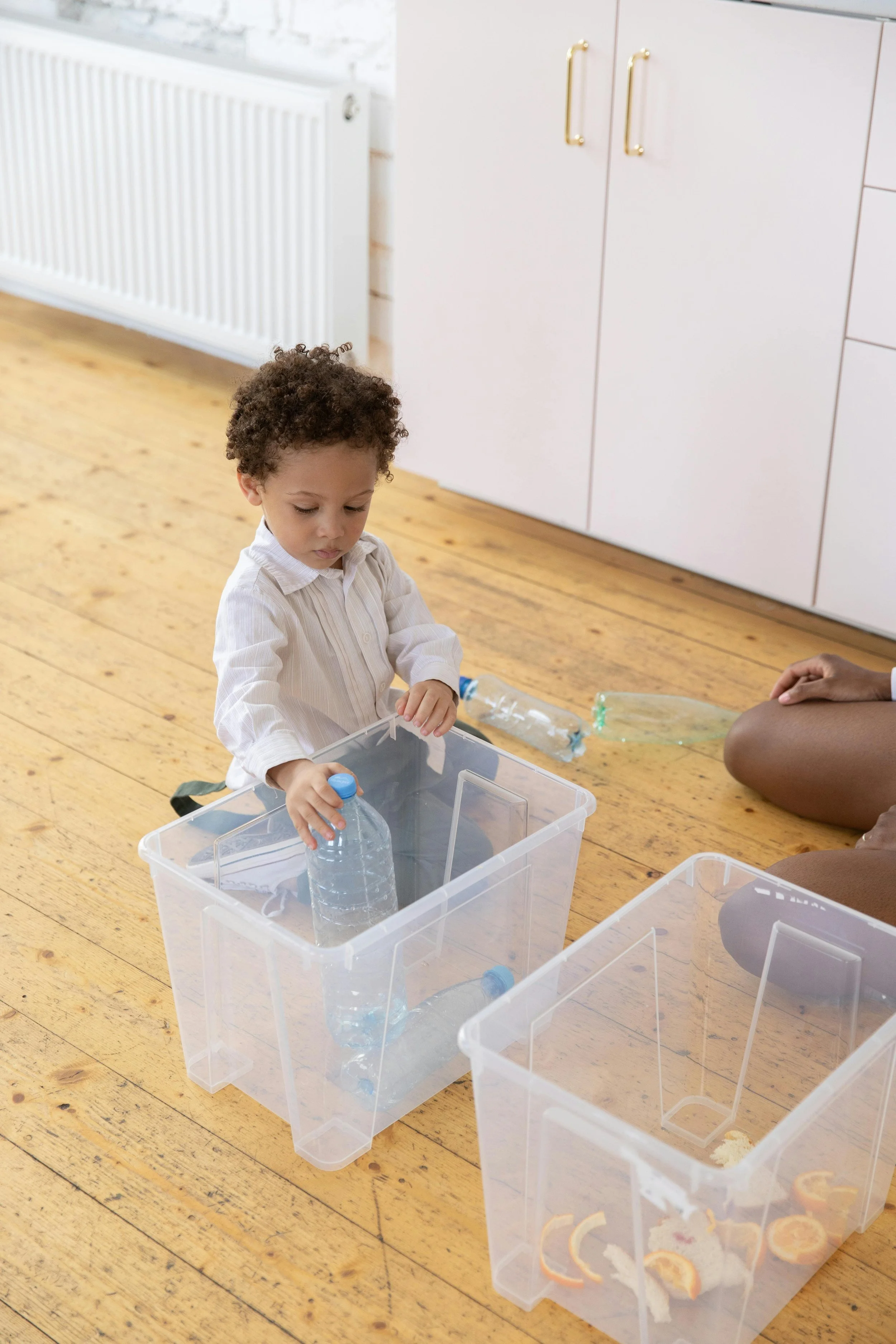
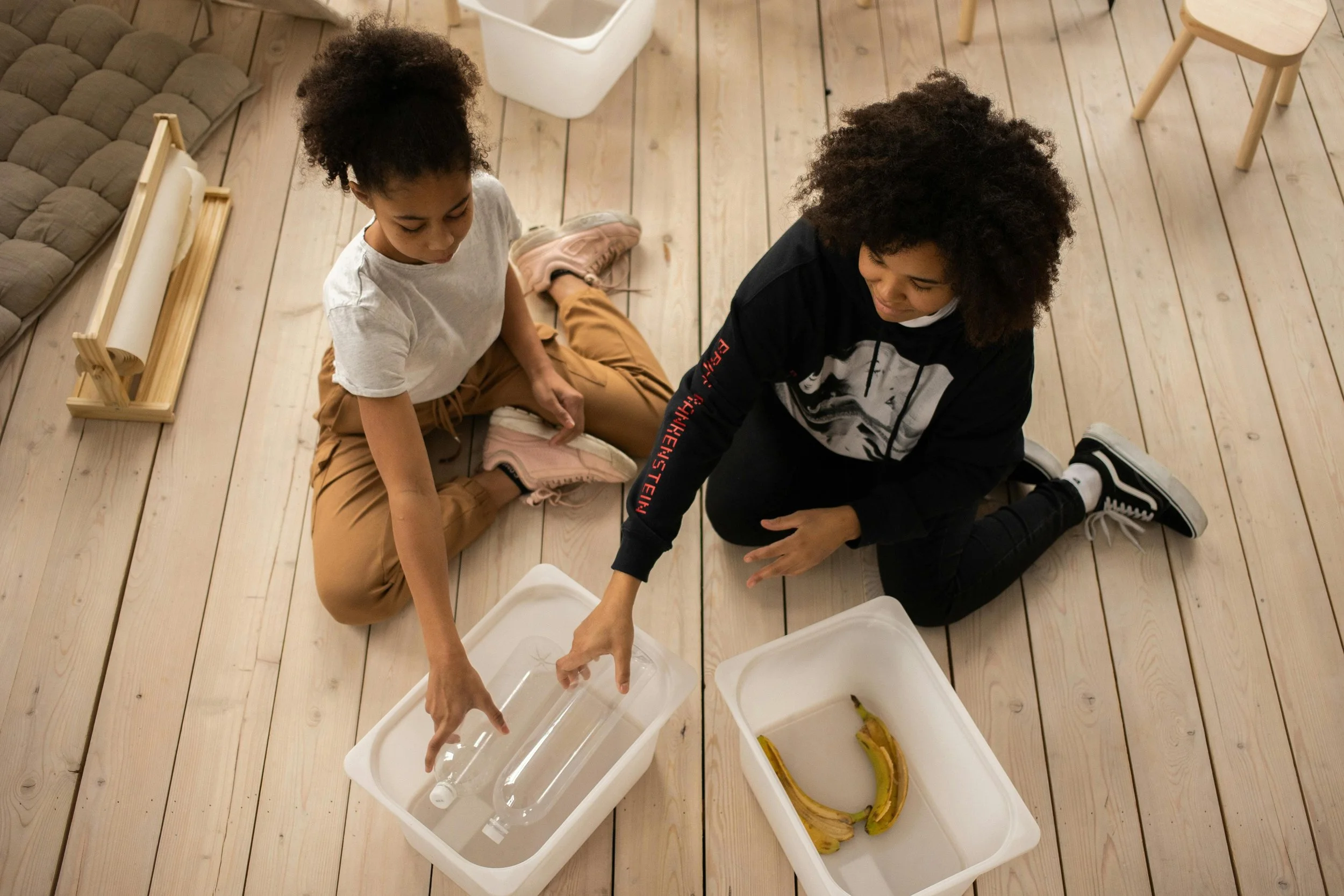
Set up a simple recycling system that your kid can reach and understand. Two bins work fine at this age: one for trash, one for recycling. You can get more specific as they get older, but for now, just teach them the basic concept that some things get a second life instead of going in the trash.
Show them what goes where based on your local recycling guidelines. Keep in mind that recycling rules vary significantly by municipality, so check what your area actually accepts. Let them practice by sorting items with you. Make it a game if that helps keep them engaged.
They won't always get it right, and that's fine. You're building the habit and the awareness. Accuracy comes later.
Putting Toys Away
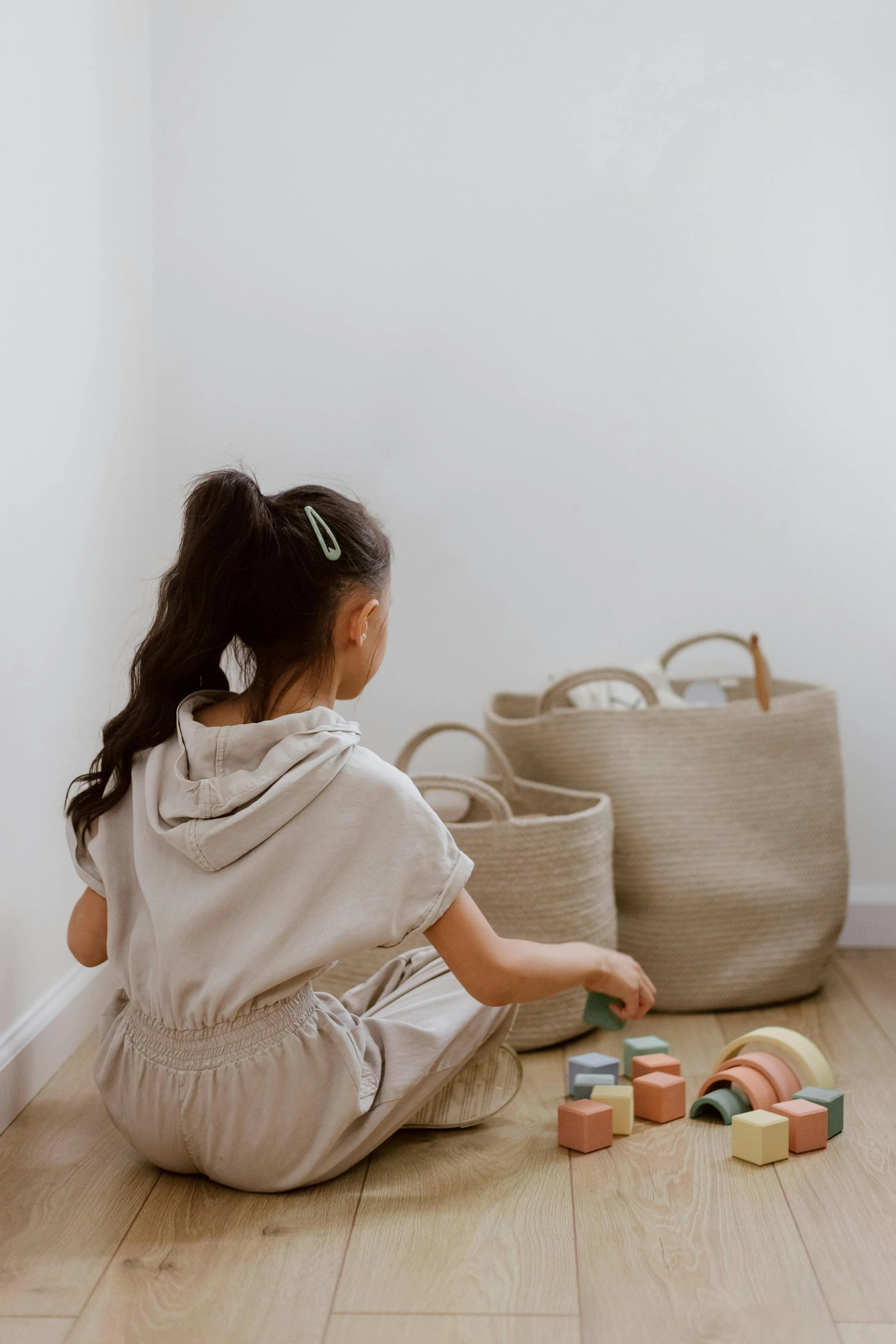
This one might not seem obviously eco-friendly, but teaching kids to take care of their belongings and put them away when they're done is part of building a foundation for valuing what they have. Kids who can manage their toys, find what they want, and clean up after themselves may be less likely to constantly seek new things for entertainment, though this varies by temperament.
Keep the system simple. Bins they can access, clear categories (blocks go here, animals go there), and consistent expectations. The easier it is for them to put things away, the more likely they are to actually do it.
Ages 3-5: Expanding Habits and Adding Reasoning
Once your kids hit three and four, they start asking “why” about everything. This is the perfect stage to add context to the habits they're already practicing and introduce new ones that require a bit more understanding.
Explaining Why Things Matter
When your kid asks why you're recycling or why you turn off lights, give them a real answer in language they understand. “We recycle so this bottle can be made into something new instead of sitting in a landfill.” “We turn off lights to save energy so we're not wasting electricity.”
You don't need to give them a lecture about climate change or finite resources. Just a straightforward explanation that connects their action to a result. Kids this age are capable of understanding cause and effect, and they respond well to feeling like what they're doing matters.
Choosing Reusable Over Disposable
Three to five-year-olds can start making simple choices between reusable and disposable options when the setting allows for it. At home, they can use regular plates and cups instead of paper or plastic. In appropriate settings, they can learn to decline single-use items.
Give them language to use when it makes sense. “No thank you, I don't need a plastic fork.” “Can I have a regular cup instead?” You're teaching them that they have a choice and that making the more sustainable choice is something they can do themselves.
Helping with Composting
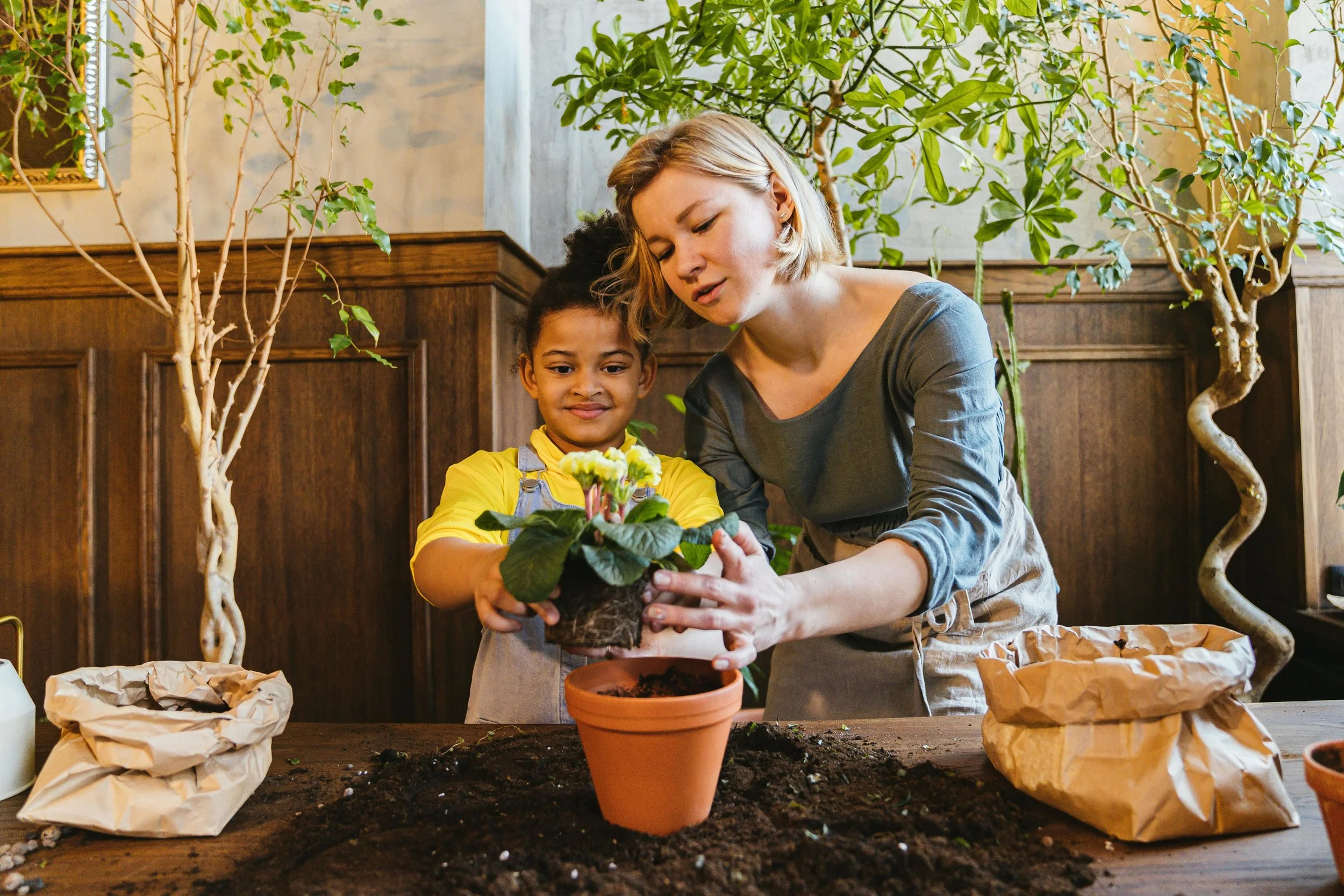
If you compost, this is a great age to get kids involved. Food scraps go in the compost bin, and they get to see how that turns into soil for growing plants. It's tangible, it's a little bit gross (which kids love), and it shows them the full cycle of how food waste doesn't have to be waste.
Even if you don't have a backyard compost setup, you can use a countertop composter or keep a small bin for food scraps that you take to a community composting location. The point is to show them that food doesn't have to go in the trash.
Being Mindful with Water
Kids this age can understand the concept of not wasting water. Turn off the faucet while brushing teeth. Don't let the water run while washing hands unnecessarily. As kids get older and begin bathing independently, they can learn about shorter showers.
Frame it as taking care of something valuable, not as restriction or sacrifice. We turn off the water because water is precious and we don't want to waste it.
Ages 5-7: Taking Ownership and Teaching Others
Once kids hit kindergarten and early elementary school, they're capable of taking more ownership over their habits and starting to teach others what they know. This is where things get really interesting because they start applying the principles you've taught them to new situations without being prompted.
Checking Ingredients and Making Choices
Five to seven-year-olds can start learning to look at what's in the products you buy. Show them how to check if something is made of plastic or natural materials. Let them help you read ingredient lists when you're shopping for food or cleaning products.
You can even use technology to make this easier. Take a picture of an ingredient list and ask ChatGPT or another AI tool to help you learn what each ingredient typically does. This can be a helpful starting point for understanding product formulations, though you'll still want to verify safety information through trusted sources. It turns shopping into a learning opportunity and helps them understand why you make the choices you make.
Advocating for Sustainable Choices
Kids this age love to share what they know, sometimes to an annoying degree. But that impulse can actually be valuable. If your kid has learned about environmental impacts, they may want to share this with friends, teachers, and others.
Encourage this while teaching respectful communication. “I prefer not to use plastic straws because they can harm ocean animals.” “We bring our own bags because it helps reduce waste.” You're raising a kid who thinks critically about consumption and can articulate their values, while understanding that others may make different choices.
Repairing Instead of Replacing
Teach your kids that when something breaks, the first question can be “can we fix this?” rather than immediately replacing it. Set up a repair station where broken toys go to be assessed when you have time. Keep in mind that some items cannot or should not be repaired for safety reasons, especially with certain toys.
This teaches resourcefulness and problem-solving. It also shows them that things have value beyond their immediate function, and that it's worth trying to extend the life of items instead of treating everything as disposable.
Helping with Meal Planning and Prep
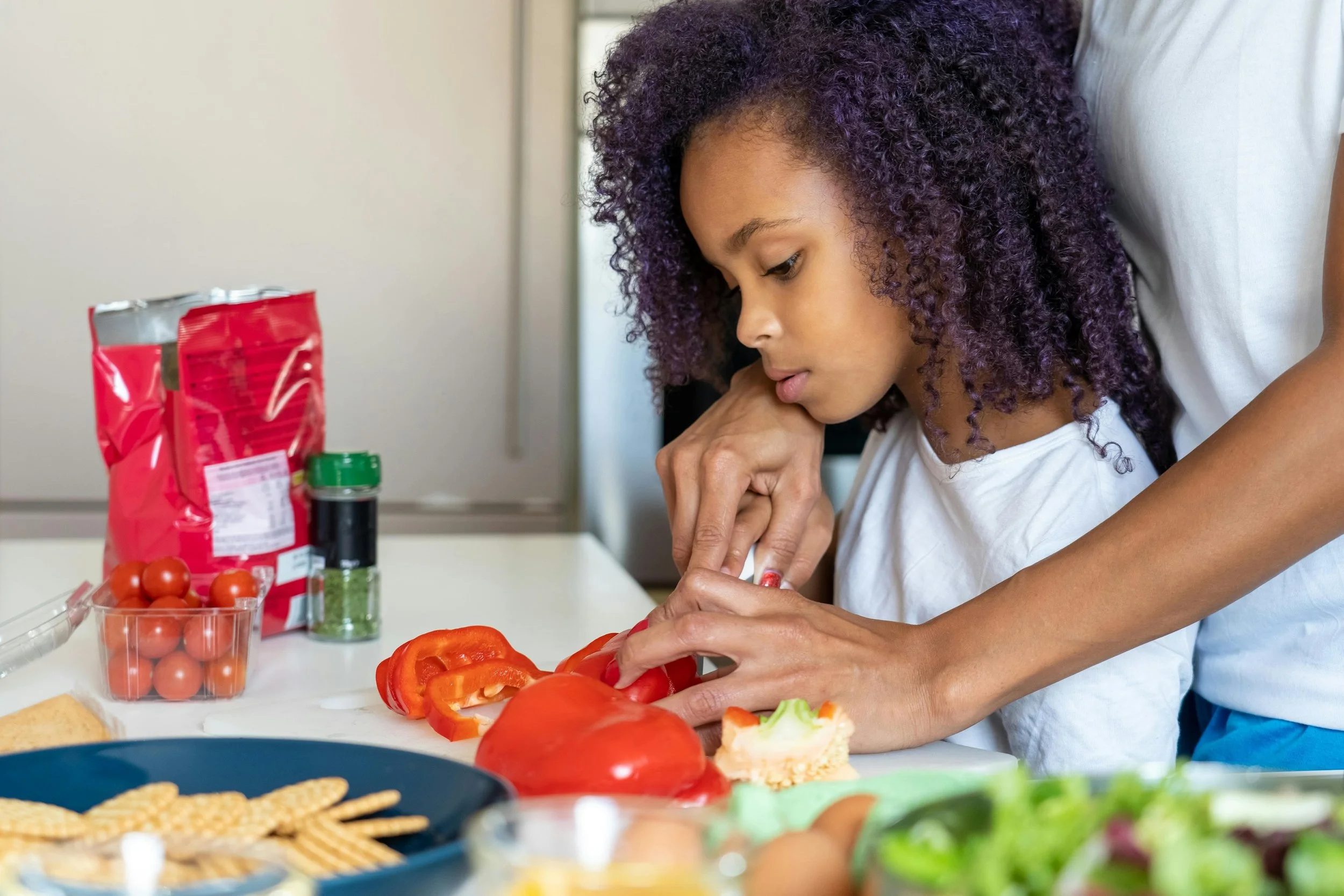
Get your kids involved in thinking about food. Where does it come from? What's in season? What can we make at home instead of buying packaged?
If you have a garden or access to one, let them help grow vegetables. If not, visit a farmers market and let them pick out produce. The more connected they are to where food comes from, the more they understand why buying local and seasonal matters, and the more likely they are to eat vegetables without complaining.
Ages 8+: Critical Thinking and Independent Action
Older kids are capable of understanding complex systems and making independent choices about their own consumption and habits. At this stage, you're less focused on teaching specific tasks and more focused on helping them think critically about why things matter and how to apply those principles to new situations.
Understanding Broader Impact
Kids this age can handle conversations about climate change, pollution, resource consumption, and how individual choices connect to larger patterns. They can understand that their actions have an impact while also recognizing that systemic change is important.
Give them real information in an age-appropriate way that avoids placing emotional responsibility for solving these large problems on their shoulders. Yes, these are real challenges. And yes, we can make thoughtful choices and support better systems and policies.
Making Their Own Sustainable Choices
Let your older kids start making their own decisions about what they buy, what they eat, and how they use resources. If they want to buy something new, talk through whether it's something they really need, whether they could buy it secondhand, and what the environmental impact is.
They're at an age where they can do their own research and form their own opinions. Your job is to give them the tools to think critically and the space to make choices that align with their values, even if those choices are different from what you'd choose.
Getting Involved in Advocacy
If your kid is passionate about environmental issues, help them find ways to take action beyond household habits. That might mean participating in a local cleanup day, writing letters to representatives about environmental policy, or starting an environmental club at school.
Kids who feel empowered to make a difference in their communities are more likely to maintain sustainable habits throughout their lives because they understand the connection between personal action and collective impact.
What Are the Biggest Mistakes Parents Make (and How to Avoid Them)?
The most common mistake I see parents make when teaching eco-friendly habits is making it feel like a chore or a sacrifice. If you're constantly framing these habits as things you "have to" do or acting frustrated about them, your kids will pick up on that and resist.
Keep it light. Keep it playful. Make it a game for younger kids. For older kids, treat it as a normal part of life, not something special or burdensome. The more you can integrate these habits into your routine without making a big deal out of them, the more likely they are to stick.
The other mistake is expecting perfection. Your kid is going to forget to turn off lights sometimes. They're going to put recyclables in the trash and trash in the recycling. They're going to want plastic toys or disposable convenience items. That's all normal.
The goal isn't perfection. The goal is building awareness and habits that generally move in the right direction. Progress, not perfection.
How Do You Start With What Feels Natural to Your Family?
You don't need to implement all of these habits at once. Pick one or two that feel manageable and relevant to your family's lifestyle right now. Maybe that's turning off lights, or bringing reusable bags to the store, or sorting recycling.
Start there. Make it part of your routine. Once it's automatic, add something else. Build momentum gradually instead of trying to overhaul your entire life overnight and burning out.
If you're looking for more guidance on teaching your kids sustainable habits in ways that actually stick without adding overwhelm to your already busy life, come join us in the Nest Earth community. You'll get realistic, age-appropriate routines, practical tips, and support from other parents who are on the same journey. You don't have to do everything perfectly. You just have to start somewhere and stay consistent.