
Easy Sustainable Swaps You Can Do Today

Key Takeaways
You can start living more sustainably right now without overhauling your entire life or spending a fortune. The most effective sustainable swaps are the ones that fit seamlessly into your existing routine and often save you money in the long run. Start with one change in an area that's bothering you most, like constantly buying disposable items or wanting to reduce chemicals around your kids. Give it time to become habit before adding another swap, and you'll find that small changes add up faster than you think.
Pick swaps based on what bothers you most in your daily routine, whether it's waste from disposables, products that don't work well, or chemicals around your kids.
Kitchen swaps like glass food storage, cloth rags instead of paper towels, and reusable water bottles create impact in a high-use area.
Many sustainable swaps save money by eliminating ongoing purchases of disposable items or lasting longer than conventional products.
Simple homemade cleaners using white vinegar, baking soda, and castile soap work just as well as commercial cleaners while costing less and reducing chemical exposure.
Start with one swap at a time and give it a few weeks to become routine before adding another change to prevent being overwhelmed.
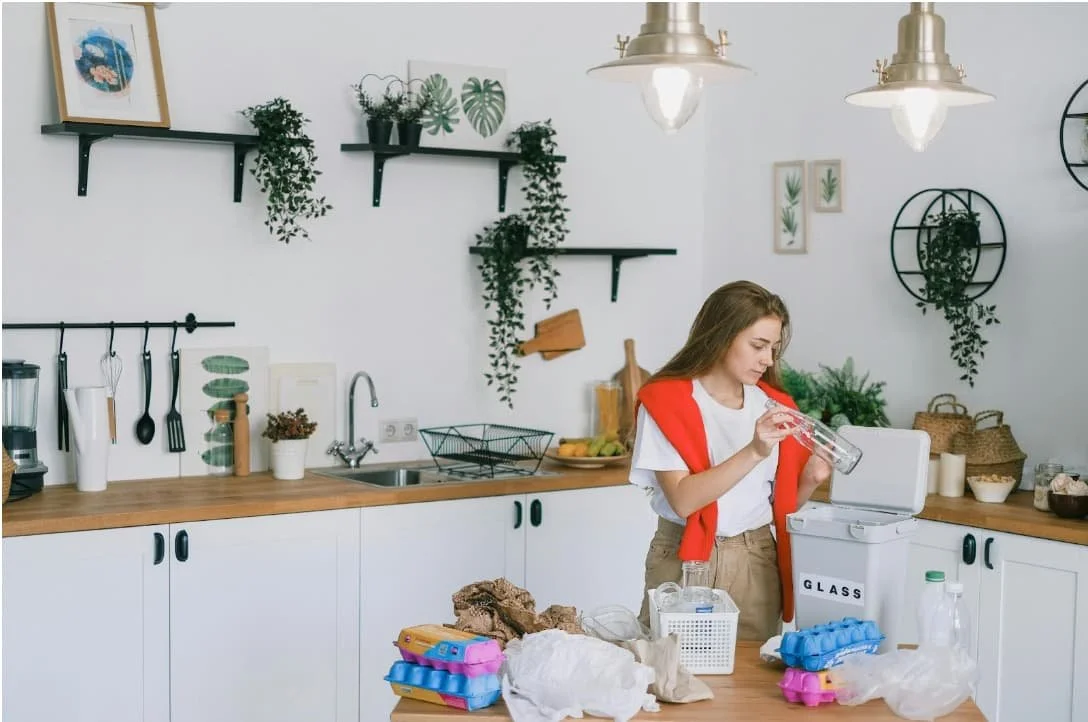
You can start living more sustainably right now without overhauling your entire life or spending a fortune. After connecting with parents in our community and making these changes in my own home, I've learned that the most effective sustainable swaps are the ones that fit seamlessly into your existing routine.
The idea that sustainability is expensive and time-consuming is one of the biggest myths keeping families stuck. Most parents want to make better choices for their kids and the planet, but feel overwhelmed by where to start or worried about the cost. The truth is, many sustainable swaps save you money in the long run and simplify your daily routine once you get the hang of them.
Here are some swaps that make the biggest difference without disrupting your life or breaking your budget.
Why Do Sustainable Swaps Matter for Families?
When you have young kids, every choice feels magnified. You're not just thinking about immediate convenience anymore, you're thinking about the world they're going to grow up in. Sustainable swaps matter because they let you take action on that concern without adding stress to your already full plate.
The beautiful thing about focusing on swaps instead of complete lifestyle overhauls is that you can start where you are. You don't need to throw out everything you own or research every single product category at once. You can make one change, see how it works for your family, and build from there.
Small changes add up faster than you might think. When you swap one item in your routine, you often start noticing other areas where you could make similar changes. It becomes a natural progression rather than a forced transformation.
How Do You Choose Which Sustainable Swaps to Make First?
When deciding what to start with, pick what’s bothering you the most. If you're tired of constantly buying paper towels, start there. If you're worried about what's in your cleaning products, focus on that area first.
Think about your daily routines and where you feel the most waste or frustration. Maybe it's the amount of packaging that comes with snacks, or how quickly you go through disposable items, or products that don't work well and need constant replacement. Those pain points are your best starting places.
Another way to prioritize is by looking at what you use most frequently. Items you reach for daily or weekly have more impact than things you use occasionally. Your morning routine, cleaning supplies, and anything related to food preparation are usually high-impact areas.
What Are the Highest Impact Swaps for Busy Parents?
Some sustainable swaps create more positive change than others, especially when you have young kids in the house.
Baby bottles and food storage top the list if you have little ones. Switching from plastic to glass or stainless steel eliminates the risk of ingesting microplastics. Glass containers also have the benefit of lasting longer and not absorbing odors or stains like plastic does.
Cleaning products also affect your entire family's daily environment. You can replace most commercial cleaners with simple ingredients like white vinegar, baking soda, and castile soap. These work just as well for most cleaning tasks, cost less, and remove the potential for inhaling chemical fumes.
Personal care items in your daily routines add up to significant exposure over time. Items like face wash, lotion, deodorant and toothpaste are important to consider since your skin absorbs much of what you put on it.
Kitchen basics offer easy starting points too. Switch from paper towels to cloth rags, use reusable water bottles, and choose reusable food wraps instead of plastic wrap. These changes happen in the space where you spend a lot of time and handle food your family eats.
How Do You Make Sustainable Swaps Without Breaking Your Budget?
The biggest myth about sustainable swaps is that they're expensive. While some eco-friendly products have higher upfront costs, most sustainable swaps save money over time by lasting longer or eliminating the need to keep buying disposable items.
Look at the cost per use rather than the initial price. Wool dryer balls cost around ten dollars but replace hundreds of dryer sheet purchases over several years. A set of glass food containers might cost more than disposable plastic bags upfront, but you'll use them for years instead of constantly buying new bags.
Start with swaps that pay for themselves quickly. Reusable water bottles, cloth napkins, and refillable cleaning spray bottles all eliminate ongoing purchases while working better than their disposable counterparts.
You can also phase in changes gradually. When you run out of something, replace it with the sustainable option instead of buying everything new at once. This spreads out the costs and lets you try different products to see what works best for your family.
Many sustainable options cost less than conventional products from the start. Baking soda can clean just as well as certain expensive specialty cleaners. Bar soap often costs less per use than liquid soap in plastic pumps. White vinegar handles many household cleaning tasks for pennies.
What Swaps Work Best in the Kitchen?
The kitchen is where families can make some of the most impactful sustainable swaps because it's where you handle food and use so many disposable items daily.
Food storage changes create immediate impact. Glass containers with tight-fitting lids work better than plastic containers that stain, absorb odors, and need frequent replacement. They're also safe for the microwave and dishwasher, unlike many plastic containers.
Cleaning up becomes easier with cloth rags instead of paper towels. Old t-shirts and towels work perfectly for most cleaning tasks. You can wash and reuse them hundreds of times instead of constantly buying paper products.
Food prep gets simpler with reusable food wraps made from beeswax or silicone instead of plastic wrap and foil. These work better for covering bowls and wrapping sandwiches, and they don't create waste with every use.
Consider upgrading your cooking basics too. Switching to cast iron or stainless steel pans eliminates concerns about non-stick coatings while giving you cookware that lasts for decades. These pans often cook food more evenly as well.
Water and beverages become more convenient with a good water filter and reusable bottles for everyone in the family. You'll save money on bottled water while reducing plastic waste and always having clean water available.
What About Cleaning Product Swaps?
Many store-bought cleaners include ingredients you don’t need in your home, especially if you have young children. Safer, simpler options often work just as well and usually cost less.
A spray bottle of white vinegar mixed with water can handle most everyday cleaning. It lifts grease, wipes spills, and leaves no sticky film. If you’d like a light scent, add a few drops of an essential oil that’s safe for household use, such as lemon or lavender.
Baking soda is a reliable companion in the kitchen. It’s mildly abrasive, so it scrubs sinks, stovetops, and cutting boards without scratching while also absorbing odors. The same vinegar-and-water mix works well in bathrooms and for tougher soap scum, blend baking soda with a little water into a paste and apply it directly to problem spots.
For floors, a small amount of castile soap mixed into warm water cleans effectively without leaving residues that attract more dirt. In the laundry room, choosing a gentle, fragrance-free detergent or natural plant-based alternative to help reduce irritation for sensitive skin and can help clothes last longer by avoiding harsh chemicals.
How Do You Make Changes That Stick?
The sustainable swaps that become permanent are the ones that make your life easier, not harder. If a change creates more work or doesn't fit your routine or solve existing problems, you'll probably abandon it.
Start with one swap at a time and give it a few weeks to become habit before adding another change. This prevents the overwhelm that causes people to give up on sustainable changes altogether.
Involve your family in the changes so everyone understands and supports them. Kids often enjoy helping make simple cleaners or choosing reusable items. When sustainable choices become family decisions rather than individual efforts, they're more likely to stick.
How Do You Share Changes With Your Family?
Making sustainable swaps work for your whole family requires communication and patience. Everyone needs to understand the changes and feel comfortable with them.
Explain the reasons behind changes in ways that make sense to each family member. Young kids might care more about helping animals and keeping nature clean, while older kids might be interested in saving money or reducing waste.
Make changes gradually so family members can adjust without feeling overwhelmed. Sudden changes to familiar routines often create resistance, while gradual changes feel more natural.
Ask for input and be willing to adjust based on what works for your family. The best sustainable swaps are the ones everyone can support and maintain.
What's Your Next Step?
Sustainable swaps don't have to be complicated or expensive to make a difference in your family's daily life and environmental impact. The key is starting where you are with changes that fit your routine and solve problems you're already dealing with.
Pick one area that's been bothering you, whether it's constantly buying disposable items, dealing with products that don't work well, or wanting to reduce chemicals around your kids. Make one swap, give it time to become routine, and then consider what might work well next.
Every small change matters, and you don't have to do everything perfectly to make a meaningful difference. Start with what works for your family, build on your successes, and remember that sustainable living is a gradual process, not a destination.
Ready to get started? Get our Quick Start guide with 28 easy sustainable swaps that are designed to be simple and impactful. These swaps help you quickly reduce your environmental footprint and make a difference from day one, without the overwhelm or guesswork.