
Eco-Friendly Halloween Ideas

Key Takeaways
You can throw memorable, waste-free Halloween celebrations without sacrificing the fun. Focus on costume swaps, DIY decorations using materials you already own, and mindful candy choices. Start with one change that feels manageable, and build from there. Kids often become the biggest supporters once they understand how these choices help the planet.
Costume swaps with friends eliminate waste while giving kids excitement about "new" costumes at zero cost.
Use natural decorations like pumpkins and leaves, or make reusable items with your kids that become family traditions.
Sort Halloween candy together to teach moderation, and donate excess to dentist buy-back programs or food banks.
Start with whatever area bothers you most, whether it's constantly buying disposables, chemical concerns, or mounting waste, and tackle that first.
Small, intentional changes teach children that celebration and sustainability can coexist without requiring perfection.
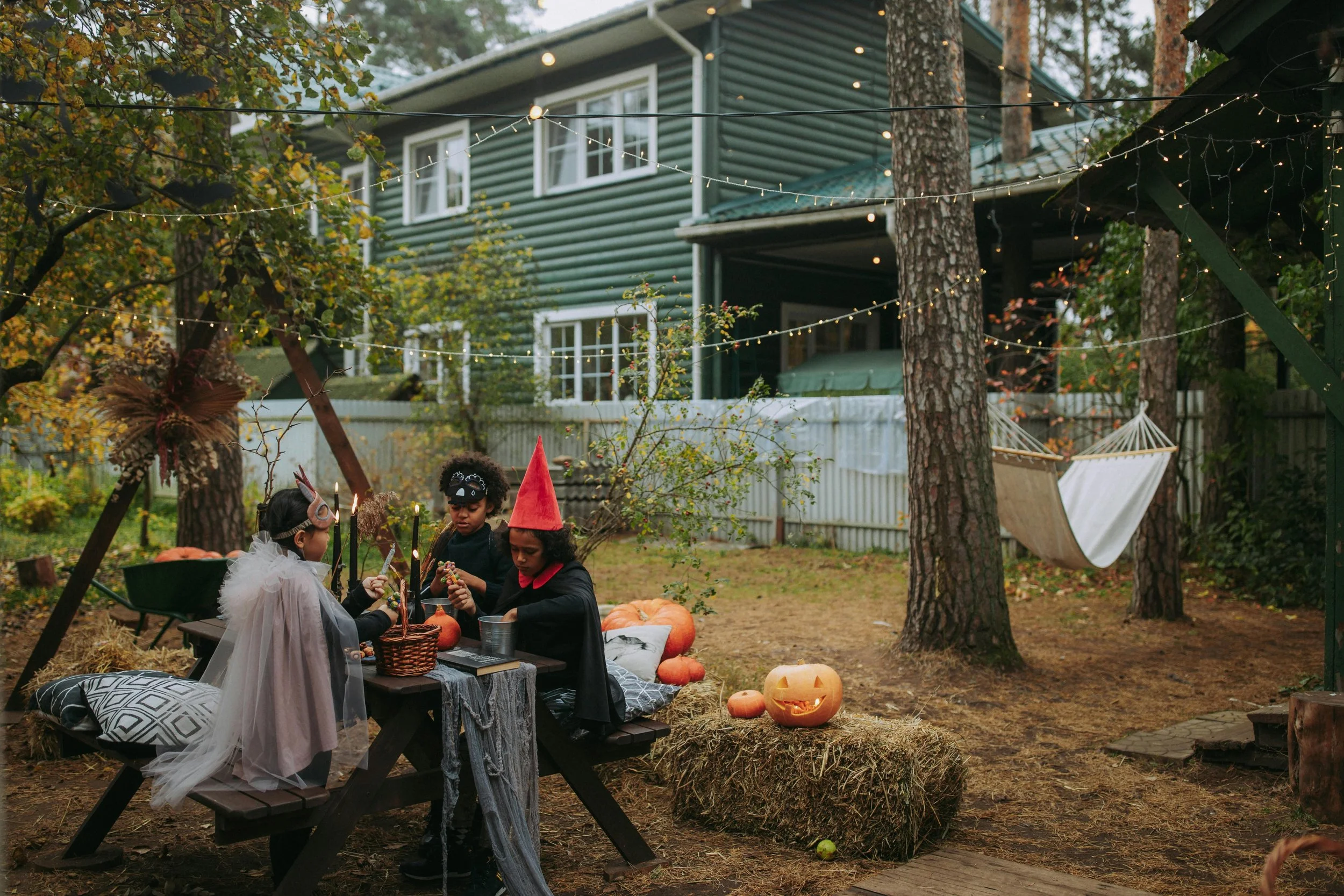
Halloween creates mountains of waste every year. Between single-use costumes, plastic decorations, and candy wrappers, the holiday can feel at odds with living more sustainably. But it doesn't have to be that way.
Through conversations with parents in the Nest Earth community, we've learned that you can create a memorable Halloween without the guilt. Kids can still experience the magic of trick-or-treating and costume parties. Families have just found ways to do it that align with their values and make the celebration more meaningful.
Rethinking Halloween Costumes
Costumes are where Halloween waste really adds up. Those polyester outfits that kids wear once and then outgrow create a significant environmental impact. The good news is that better options exist without sacrificing creativity or fun.
Costume swaps are one of the simplest solutions. Gather a group of friends and trade last year's costumes. What your child has outgrown becomes new to someone else's kid. Kids get excited seeing their old costume on a friend, and you save money while keeping items in circulation.
Thrift stores offer another treasure trove of costume possibilities. Regular clothes can become costume pieces with a little imagination. A flannel shirt becomes a lumberjack. A black dress transforms into a witch. Old sheets make excellent ghost costumes. This approach encourages creativity rather than just buying whatever character is popular that year.
For families who prefer making costumes, use materials you already have at home. Cardboard boxes become robot suits or buildings. Old fabrics turn into capes or tunics. For a butterfly costume, fabric scraps and wire hangers can create wings. When kids help make their costumes, they often become more excited about wearing them than any store-bought option. Pinterest has thousands of creative DIY costume ideas using household materials if you need inspiration.
Creating Decorations That Don't End Up in Landfills
Halloween decorations present another opportunity to reduce waste. Instead of buying plastic items that'll be used once, focus on creating decorations that can be reused or that naturally decompose.
Nature provides some of the best Halloween decorations. Pumpkins, gourds, leaves, and branches create an atmosphere without any plastic. After Halloween, pumpkins can be composted rather than thrown away. Dried leaves and branches return to your yard. These natural elements often create a better aesthetic than store-bought items anyway.
Making decorations with your kids turns prep time into quality time. Paper chains, handmade banners, and painted decorations become activities rather than chores. Kids love cutting out bats and ghosts from construction paper to hang up year after year. These handmade pieces become treasured reminders of how much they've grown. If you're looking for reusable decoration options, Etsy has plenty of handmade alternatives to mass-produced plastic.
Reusable decorations are worth the investment. A fabric banner lasts for years. String lights work for multiple holidays. Wooden or metal decorations become part of your family's tradition rather than single-season waste. Over time, these pieces cost less than constantly buying new disposable items.

Handling Candy Without the Waste
Candy creates one of Halloween's biggest waste challenges. All those individual wrappers add up fast. While you can't control what neighbors hand out, you can make choices about what your family does.
When giving out candy:
Look for options with less packaging or recyclable materials, such as brands that use paper wrappers instead of plastic
Buy larger packages and portion them out yourself to reduce packaging waste
After trick-or-treating:
Sort through your child's haul together rather than letting them eat everything, creating an opportunity for conversation about making intentional choices
Talk with kids about choosing one piece to enjoy and being mindful about candy consumption
Focus on teaching moderation rather than restriction
What to do with excess candy:
Share extra candy with coworkers, teachers, or friends
Check if local dentists run candy buy-back programs
Food banks sometimes accept sealed, unopened candy
These options keep candy from sitting around your house while reducing waste
Non-candy alternatives:
Small toys, stickers, or temporary tattoos give kids something fun without the sugar and waste.
Choose glow sticks, bubbles, or sidewalk chalk for active play that doesn't create clutter
Managing Halloween With Your Values
Living more sustainably during Halloween doesn't mean removing the experience from your kids' lives. It means being thoughtful about how you celebrate while still creating joy and memories. Many families have found creative solutions like the Switch Witch tradition, where kids trade their candy haul for a special toy or experience, reducing candy consumption while keeping the excitement of Halloween night alive.
Your approach will evolve over time. Start with one change this year. Maybe it's doing a costume swap with friends. Next year, you might focus on decorations. The following year, you could rethink how you handle candy. Small changes add up without overwhelming you or disappointing your kids.
Communication helps smooth the way. When family members or friends ask about your choices, focus on what you're gaining rather than what you're avoiding. Talk about the fun of costume swaps or the creativity of making decorations together. Most people respond better to positive framing than to lectures about waste.
Remember that you're teaching your children to think critically about consumption and waste. These lessons extend far beyond Halloween. When kids participate in making costumes or decorations, they learn that celebration doesn't require constant buying of new things.
Finding Your Own Path
Eco-friendly Halloween looks different for every family. What matters most is finding approaches that work for your household while aligning with your values. You don't have to do everything perfectly to make a difference.
Parents in the community have found creative solutions they never would have thought of on their own. Someone always has a new idea for costumes or decorations. This shared knowledge makes sustainable choices easier and more fun.
Kids might surprise you with their enthusiasm once they understand the reasoning behind your choices. Children often care deeply about protecting nature and animals. When you explain that your Halloween choices help the planet, they frequently become your biggest supporters.
Start where you are. Pick one area that feels manageable and build from there. Each small change reduces waste and teaches your children that celebration and sustainability can coexist.
If you're looking for support and ideas from other parents navigating eco-conscious celebrations, join the Nest Earth community. We share strategies, troubleshoot challenges, and celebrate the wins together.